
01
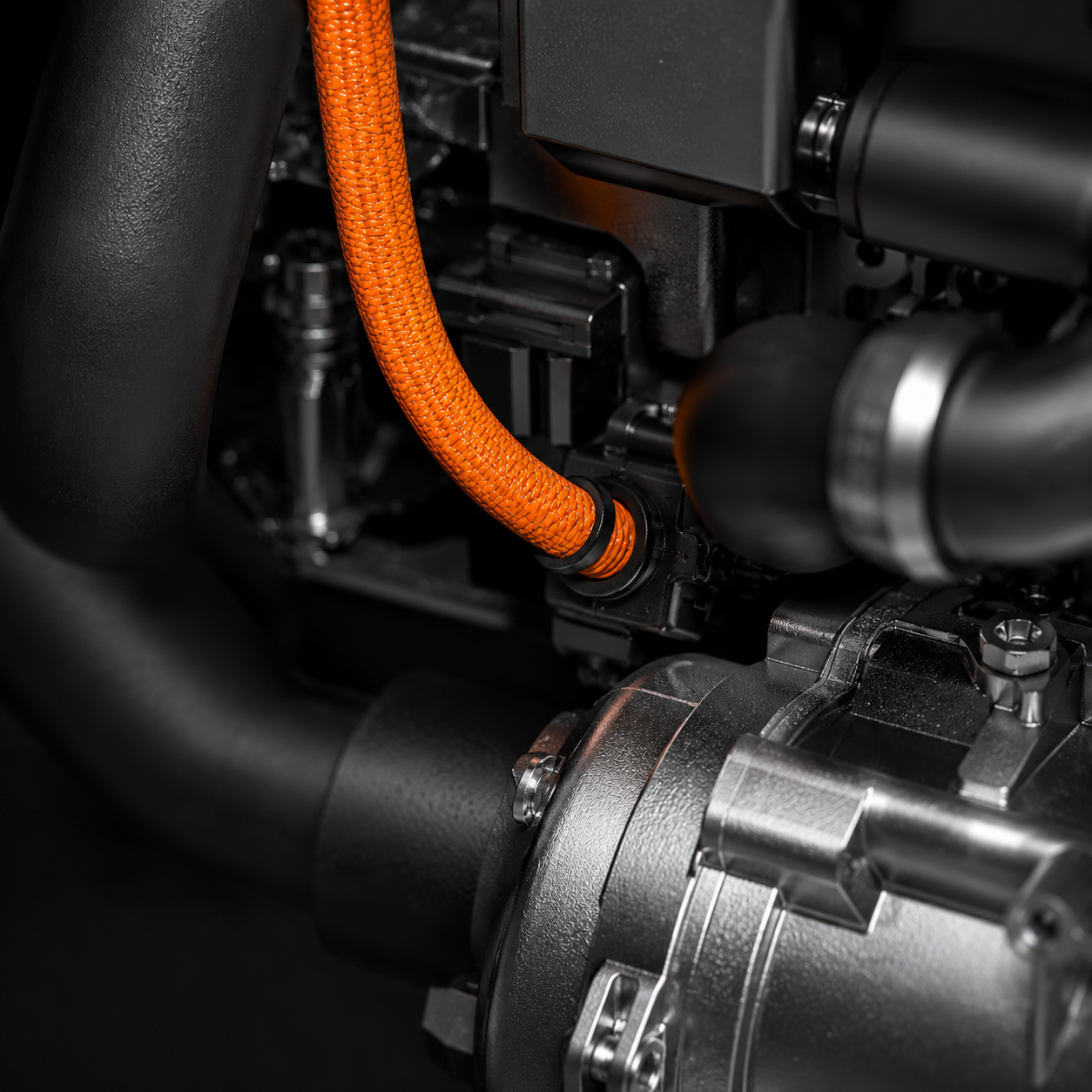
Custom Stack Development
Get a stack designed for your application—characterized and validated—with an intellectual property framework defined from the outset.
01.
Specifications
Performance, format, constraints, targets, costs
02.
Cell Design + BPP
Architecture, Materials, Geometries
03.
Prototyping
Sample Preparation / Single Cells
04.
Characterization
Performance and Durability Testing
05.
Pre-industrialization
Processes and Scale-Up
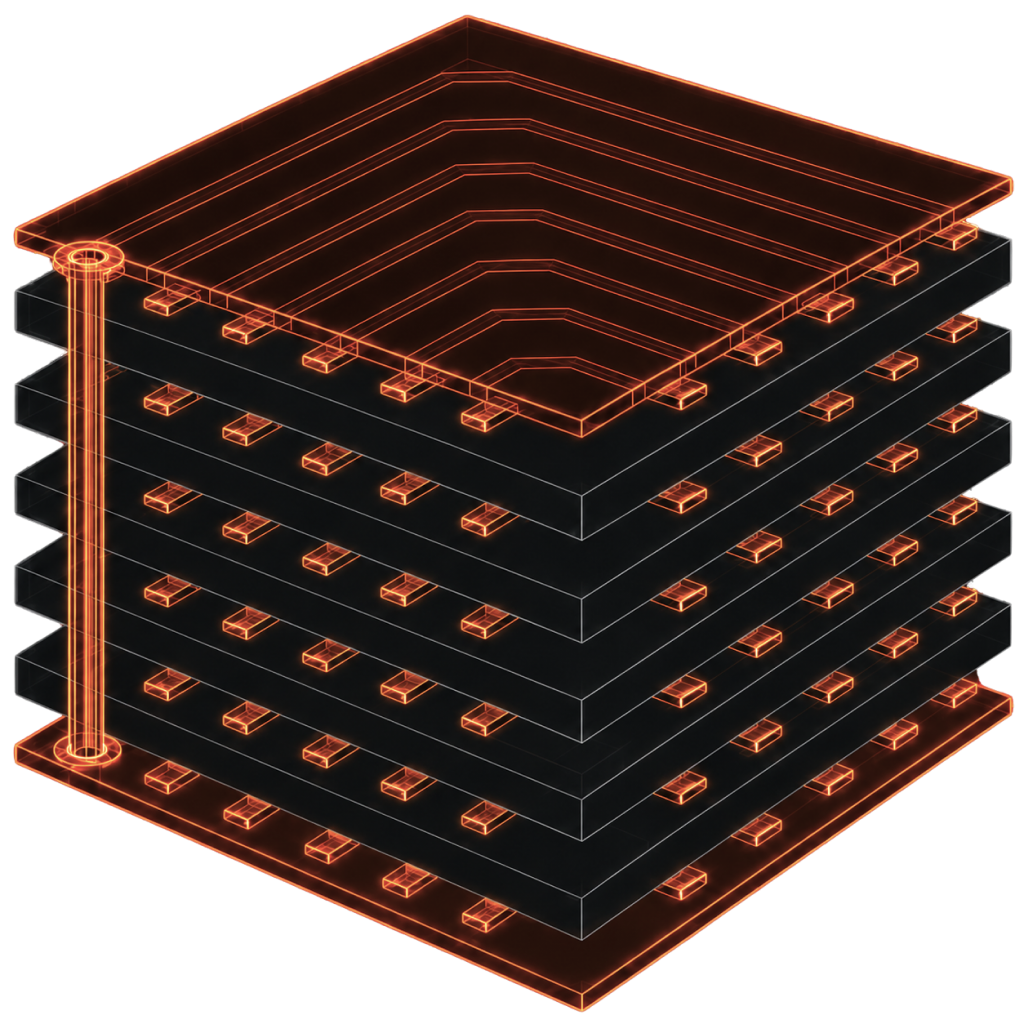
Design a custom stack optimized for your goals in terms of power, efficiency, size, and service life.
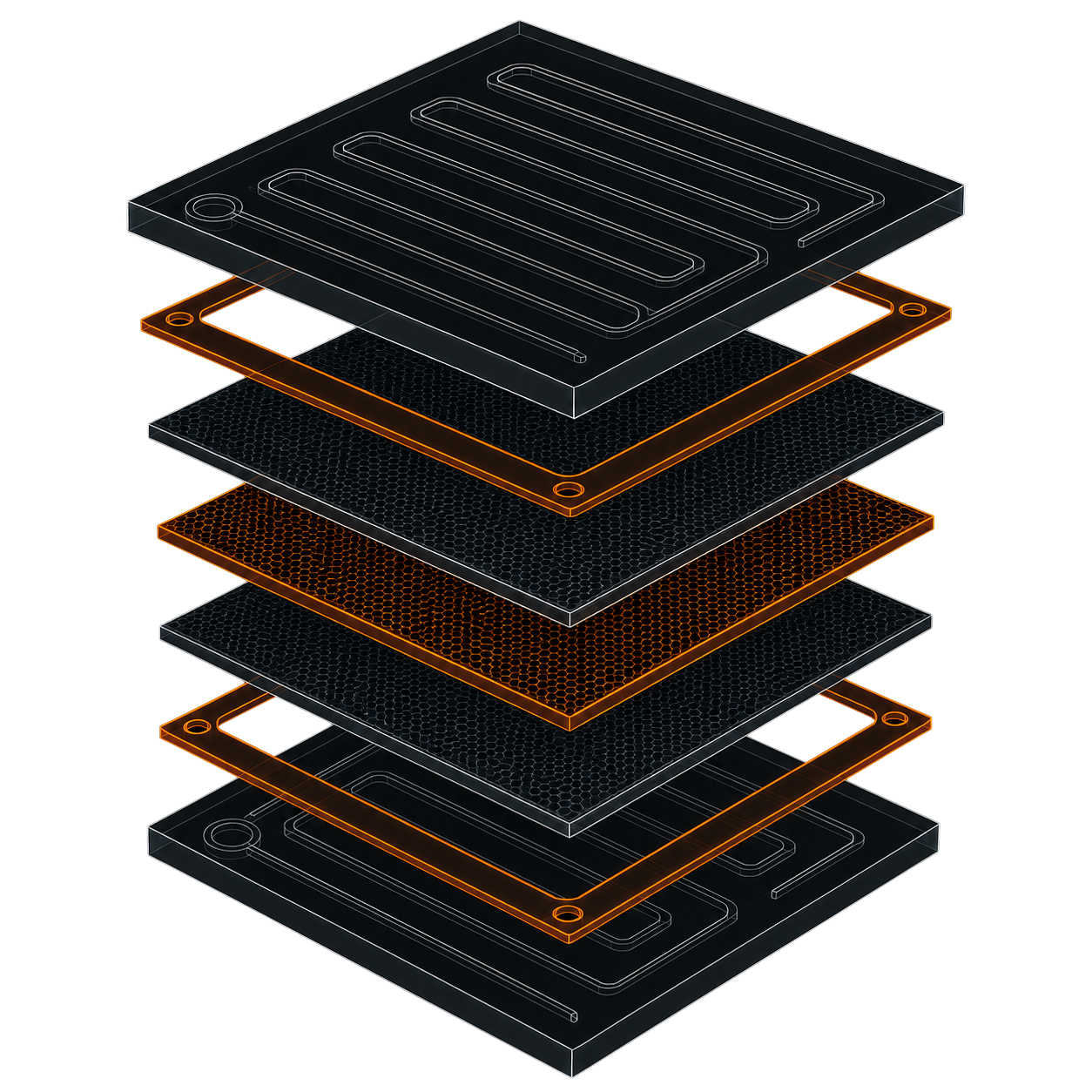
Optimize performance with bipolar plates that address performance, manufacturing, sealing, and fluid management requirements.
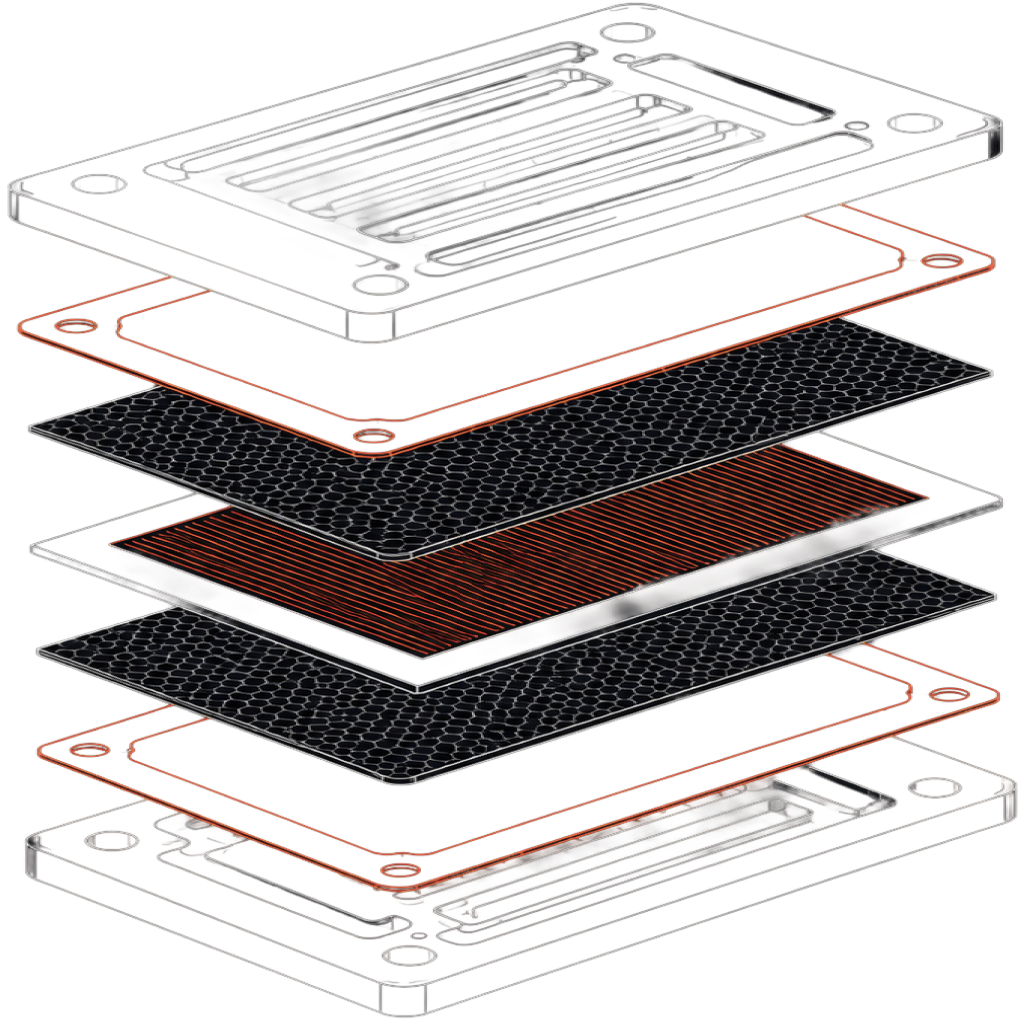
Selection, characterization, and integration of critical cell components to ensure the stack's performance, robustness, and reliability.
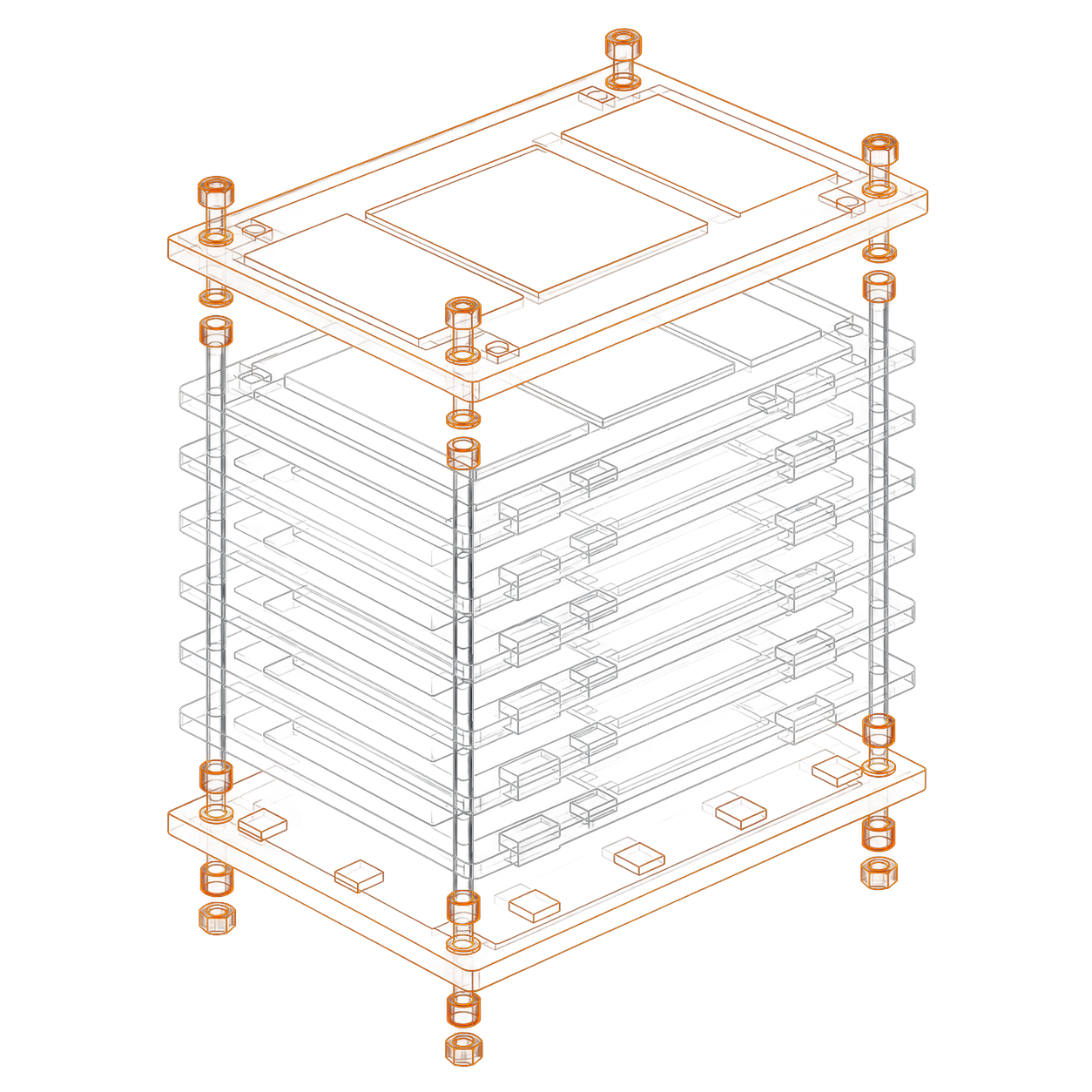
Defining assembly processes and providing support for industrialization to ensure repeatability, quality, and cost control.
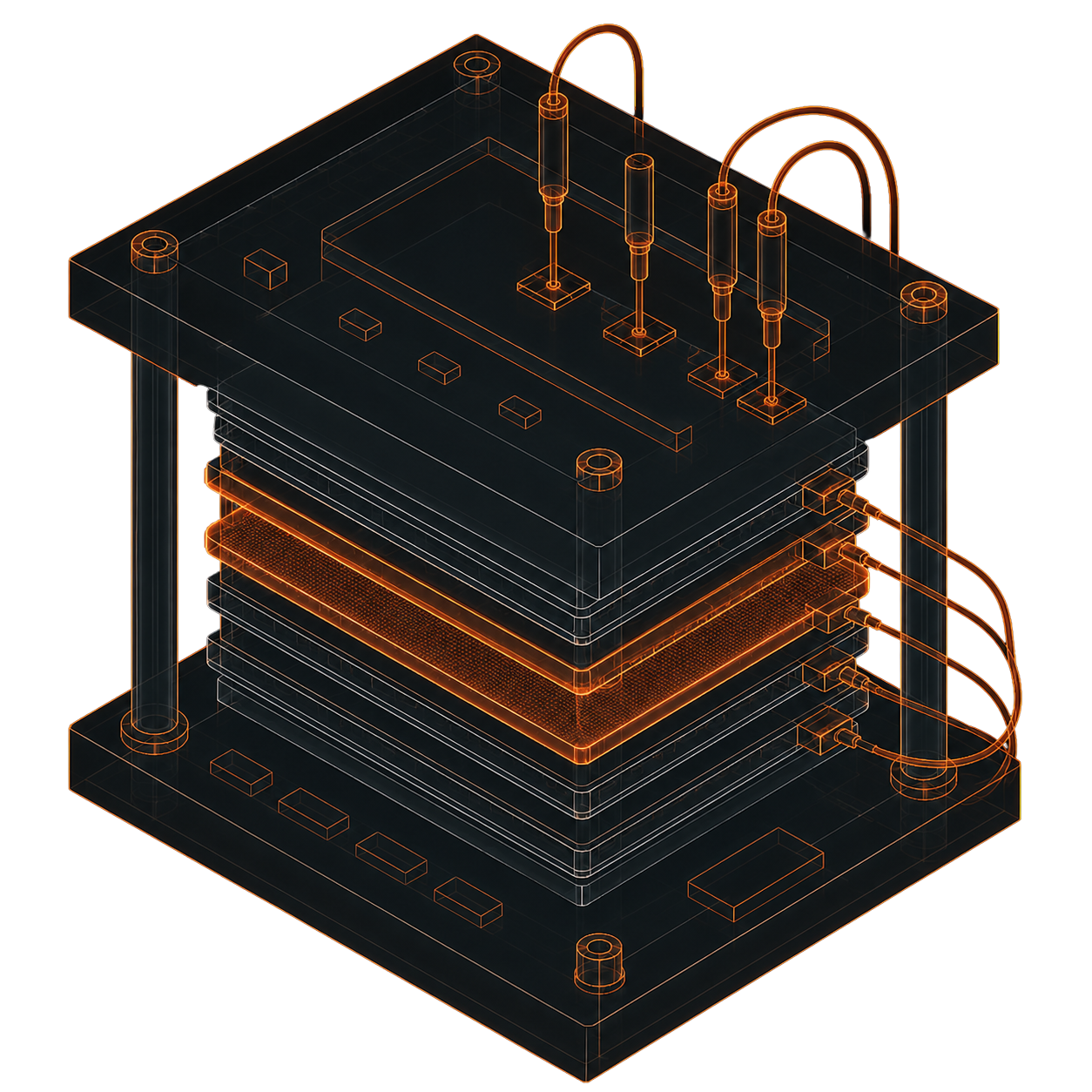
Evaluate and experimentally validate the performance and durability of your stacks using test protocols that reflect actual operating conditions.

100 kW module
Democratize hydrogen technology through unrivalled compactness and superior efficiency.
Technical dataDo you have a project in this area?
Our team can support you from design through implementation.
02
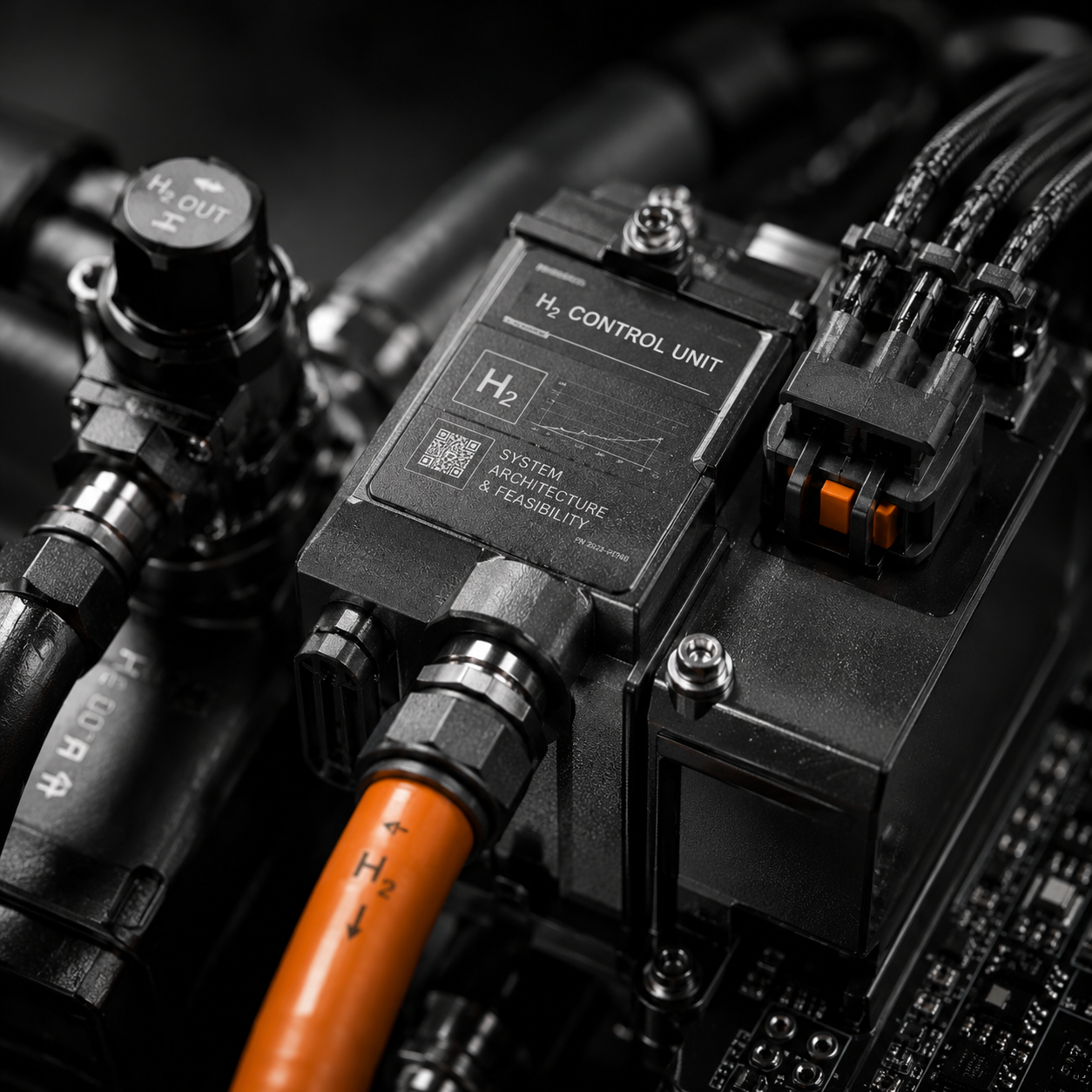
System Architecture and Feasibility
Ensure you have a validated system architecture, a well-justified sizing, and a reviewed BOM.
01.
Defining the Need
Mission Profile, Power, Environment
02.
System Architecture
Functional and Organic (CESAMES)
03.
Sizing
Battery Chain + BoP, Component Selection
04.
BOM and Sourcing
Preliminary BOM, supplier consultation
05.
Feasibility Study
Technical and Economic Summary and Recommendations
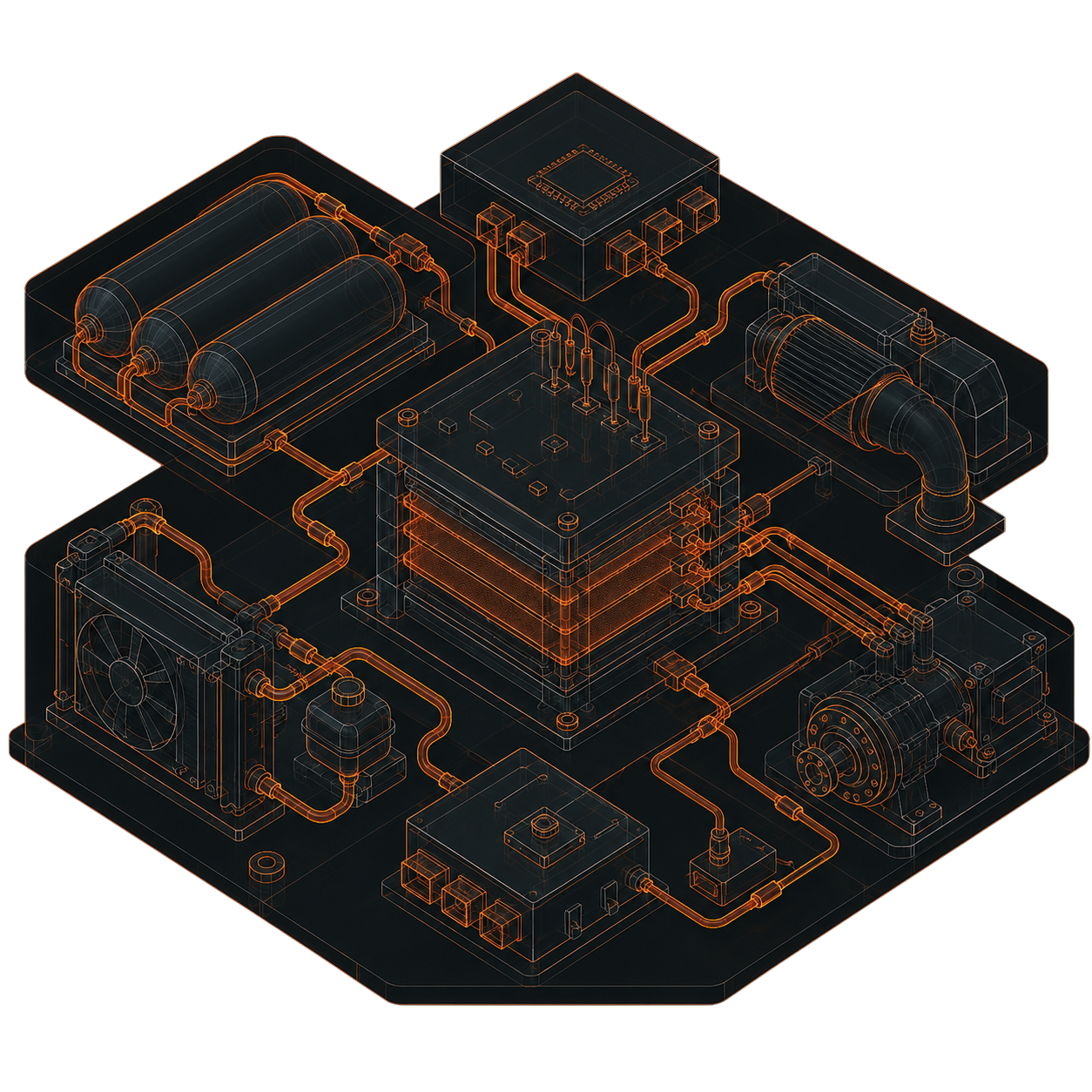
Ensure that requirements definition, functional analysis, and system architecture are structured using a systems engineering approach that guarantees consistency and control over interfaces.
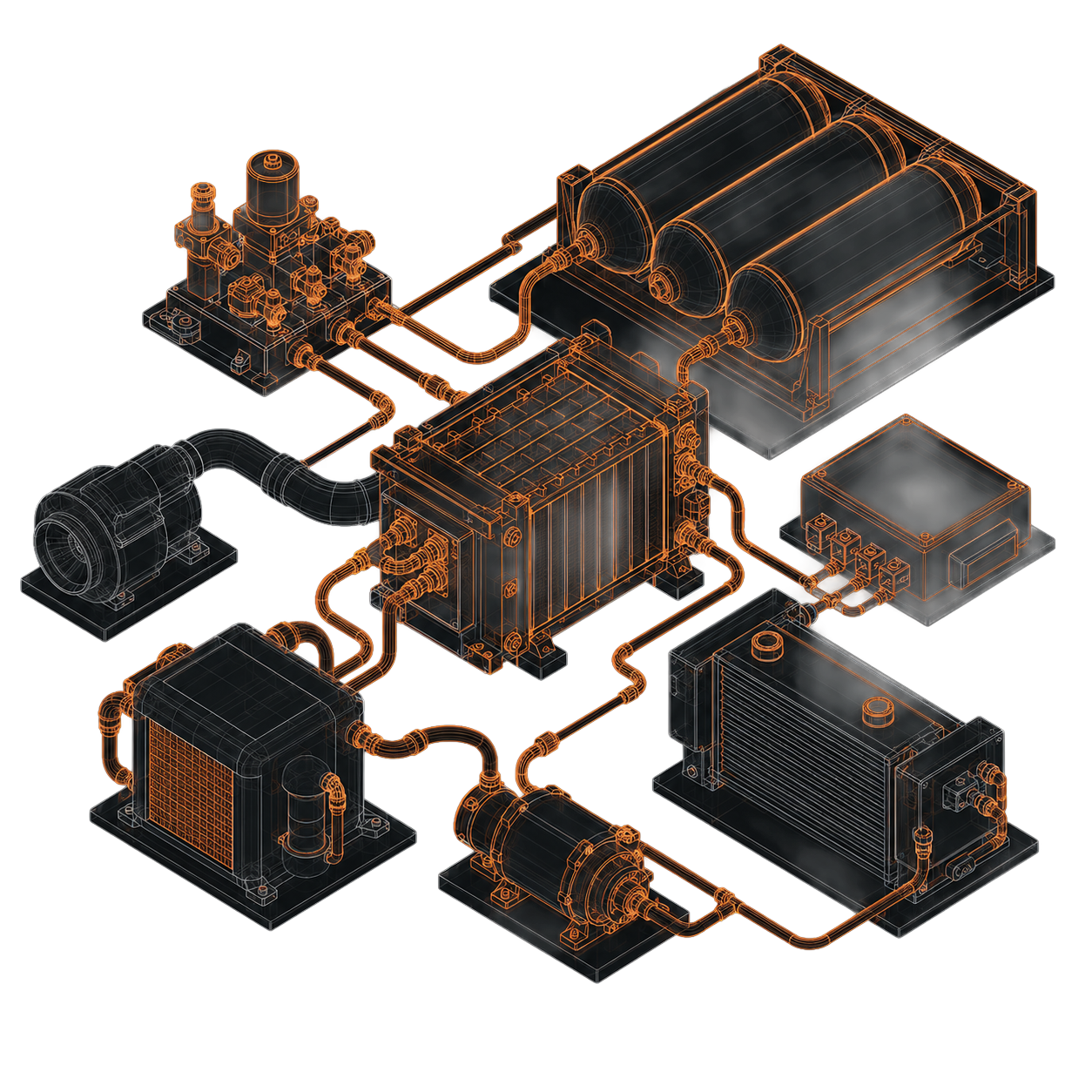
Design subsystems that are essential to the stack's operation and are fully integrated: hydrogen supply, air supply, cooling, and auxiliary systems.
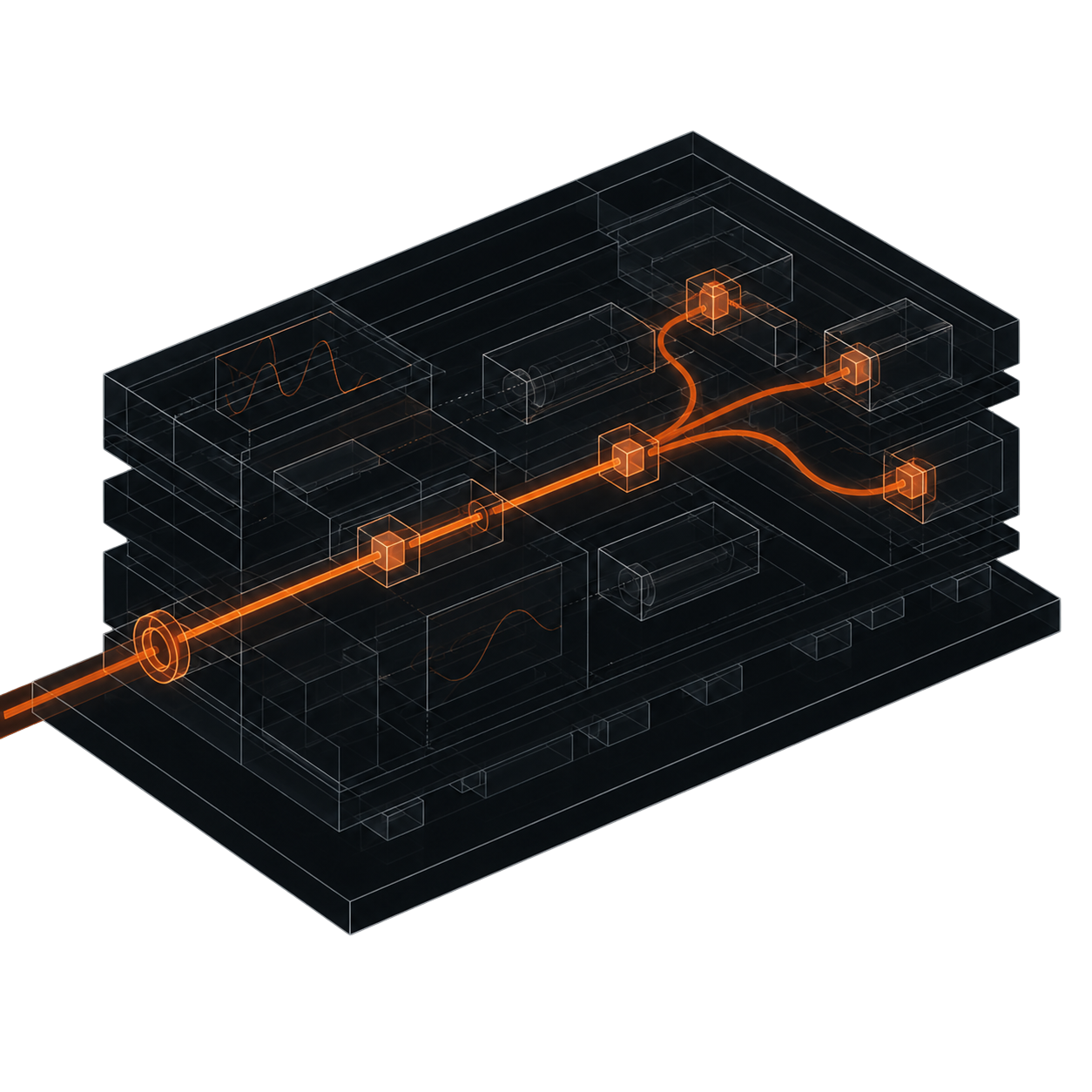
Plan ahead by quickly simulating system behavior to optimize architectures, evaluate performance, and shorten development cycles.
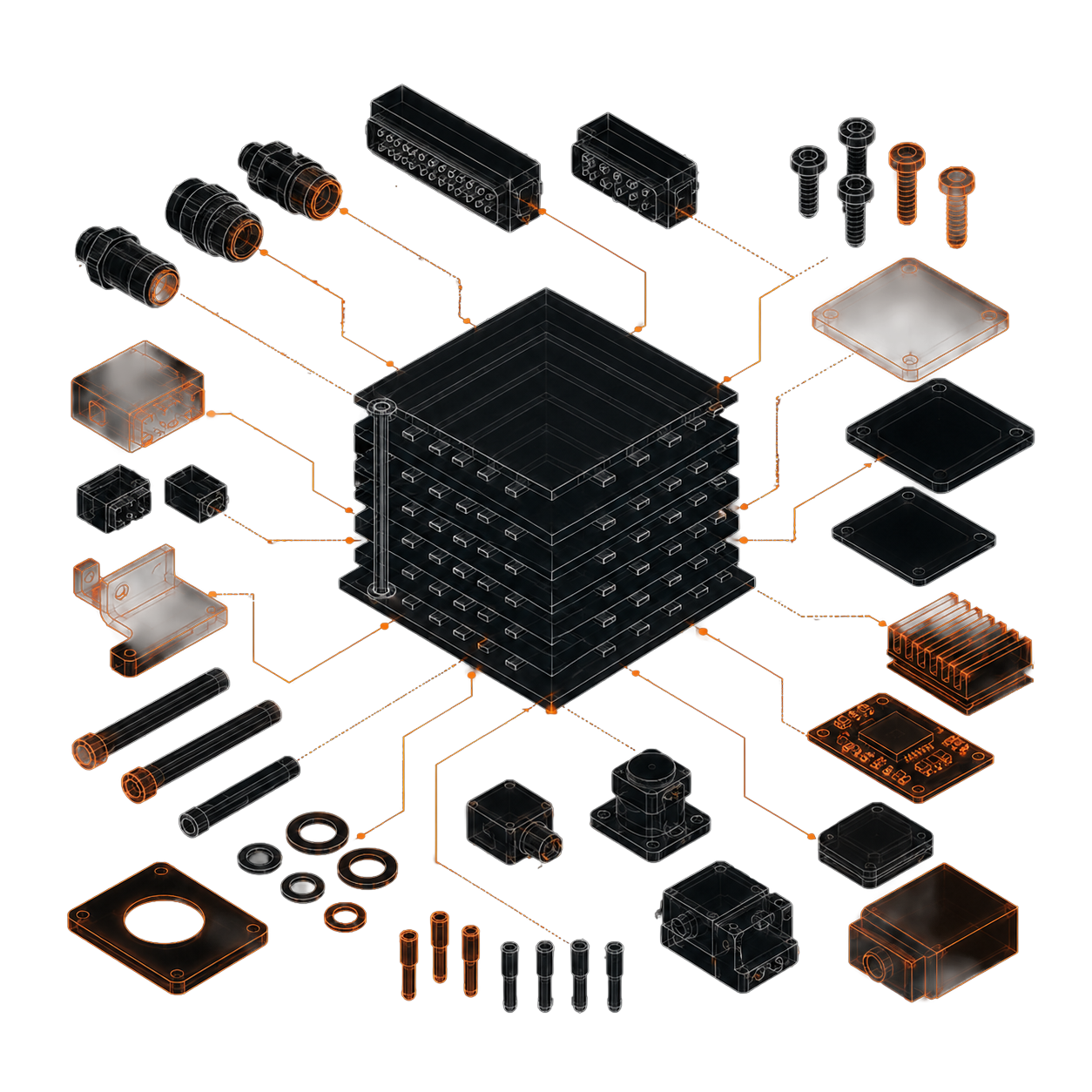
Optimize your supplier selection, the selection of critical components, and the creation of optimized bills of materials to reduce your development costs.
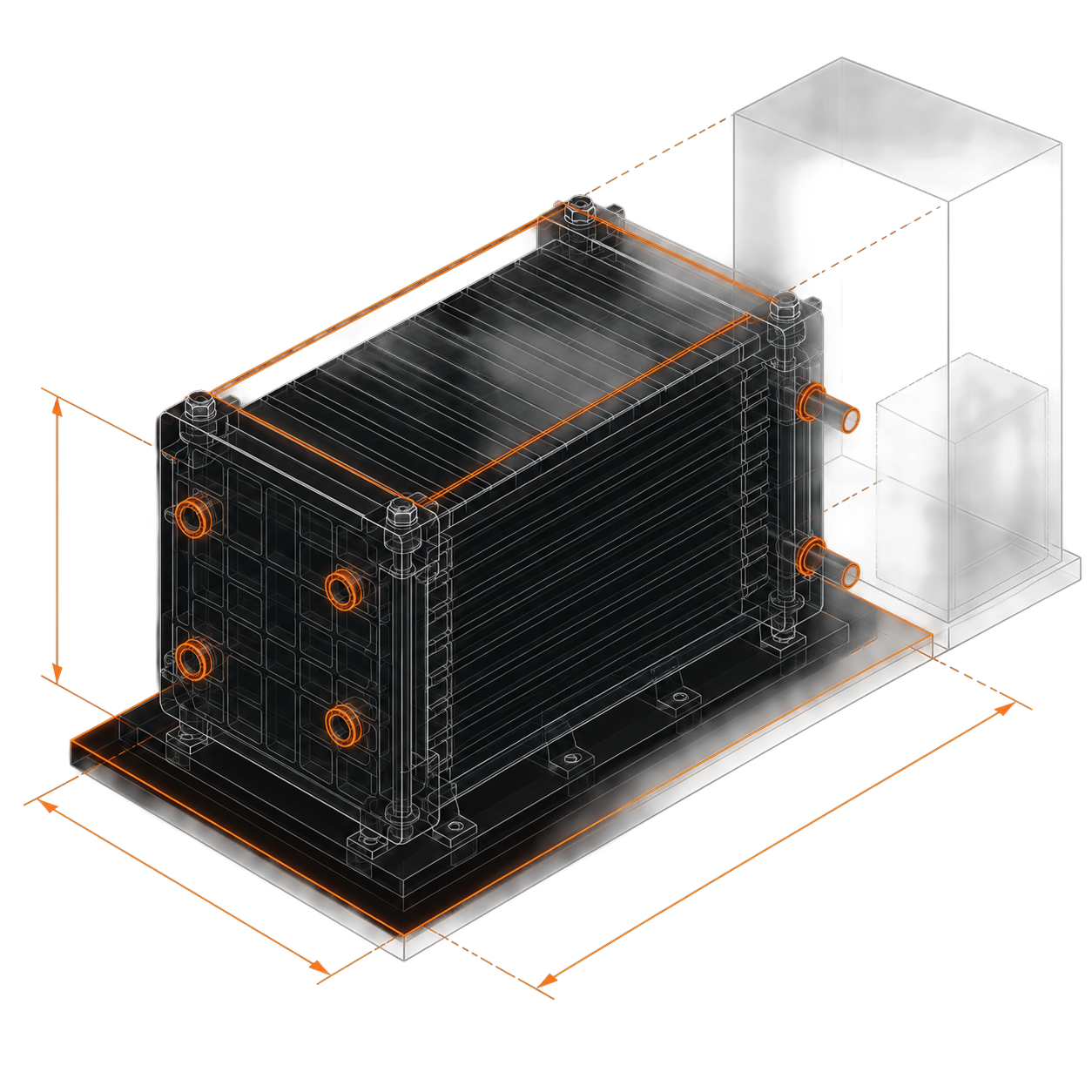
Select the most appropriate solution based on the desired power output, as well as the architectures and components best suited to your application's requirements.

Fuel Cell System 200 kW
A concentration of our know-how for customer-oriented design and "plug & play" integration.
Technical dataDo you have a project in this area?
Our team can support you from design through implementation.
03
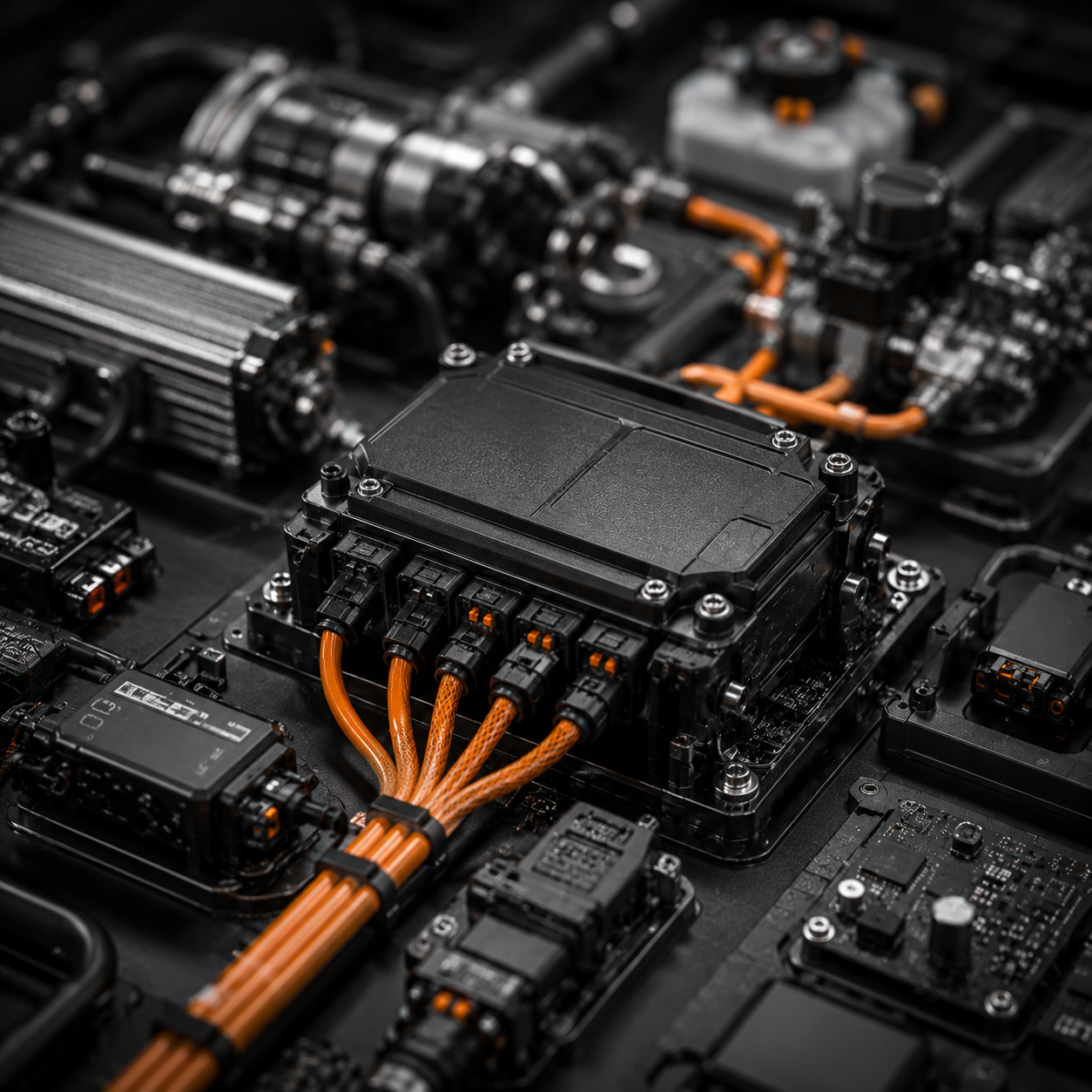
Critical subsystems and components
Get a subsystem that is designed, sized, and ready for prototyping, meeting your performance, space, and cost requirements.
01.
Scope and Requirements
Specifications, Interfaces, Constraints
02.
Preliminary Design
Architecture, Technology Choices
03.
Detailed Design
Modeling, calculations, drawings
04.
Definition Document
Drawings, bill of materials, specifications
05.
Prototyping Support
Manufacturing and Testing Support
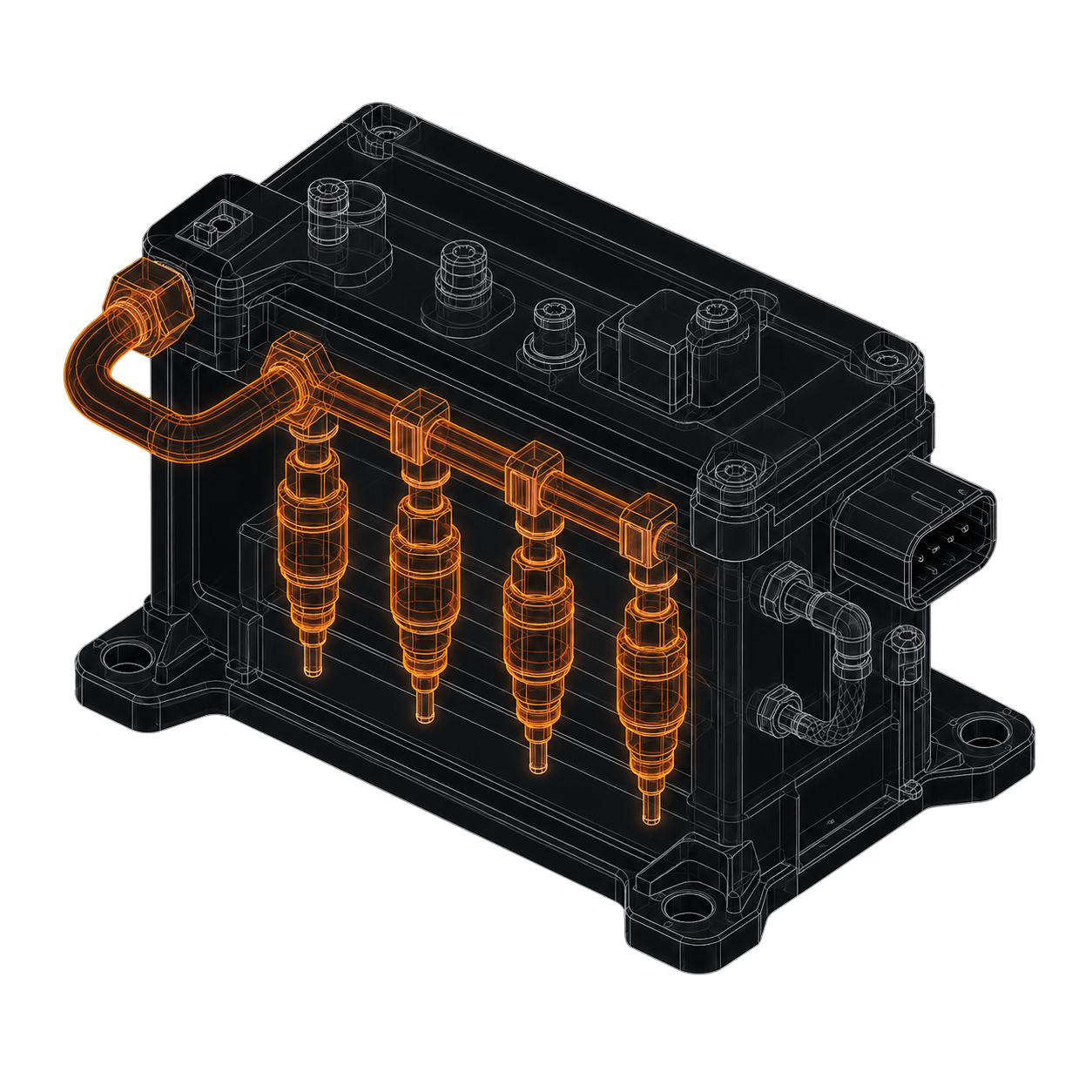
Ensure a precise, safe, and efficient hydrogen supply under all operating conditions.
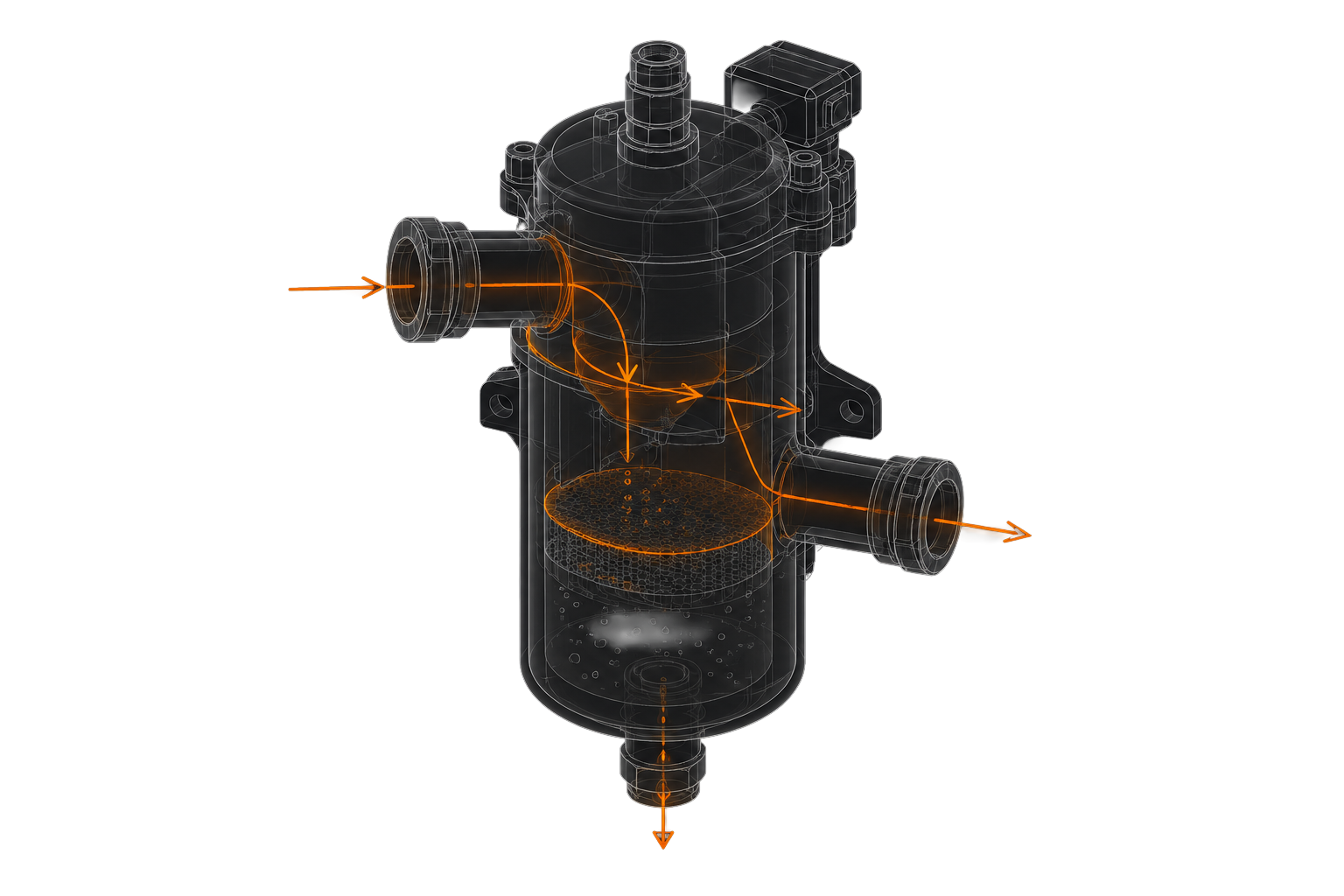
Improve the durability and stability of your system with a separator design that optimizes water management.
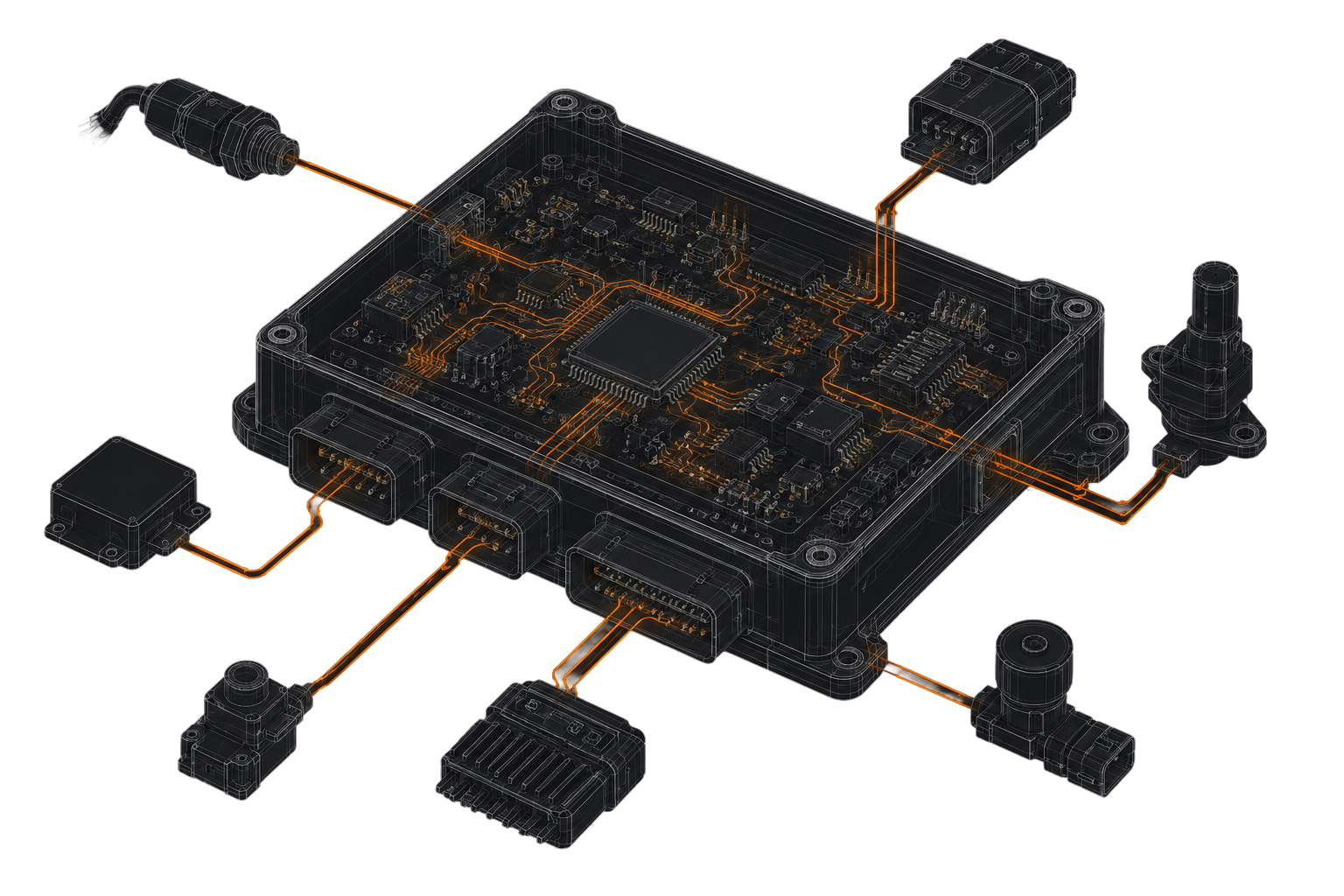
Develop reliable and secure control of your system using electronic boards tailored to your needs.
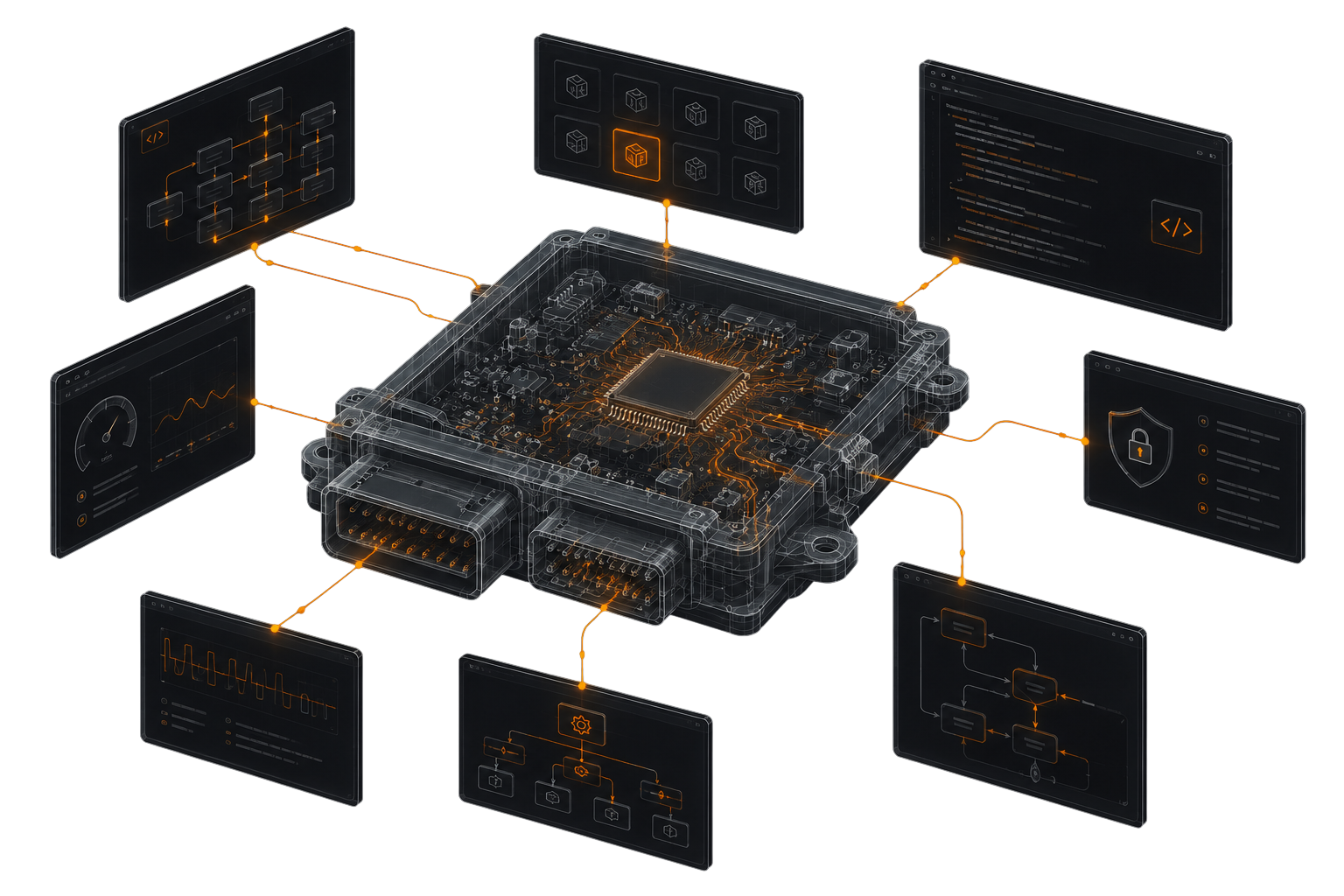
Effectively manage your system with embedded software designed to provide real-time control, monitoring, and energy optimization.
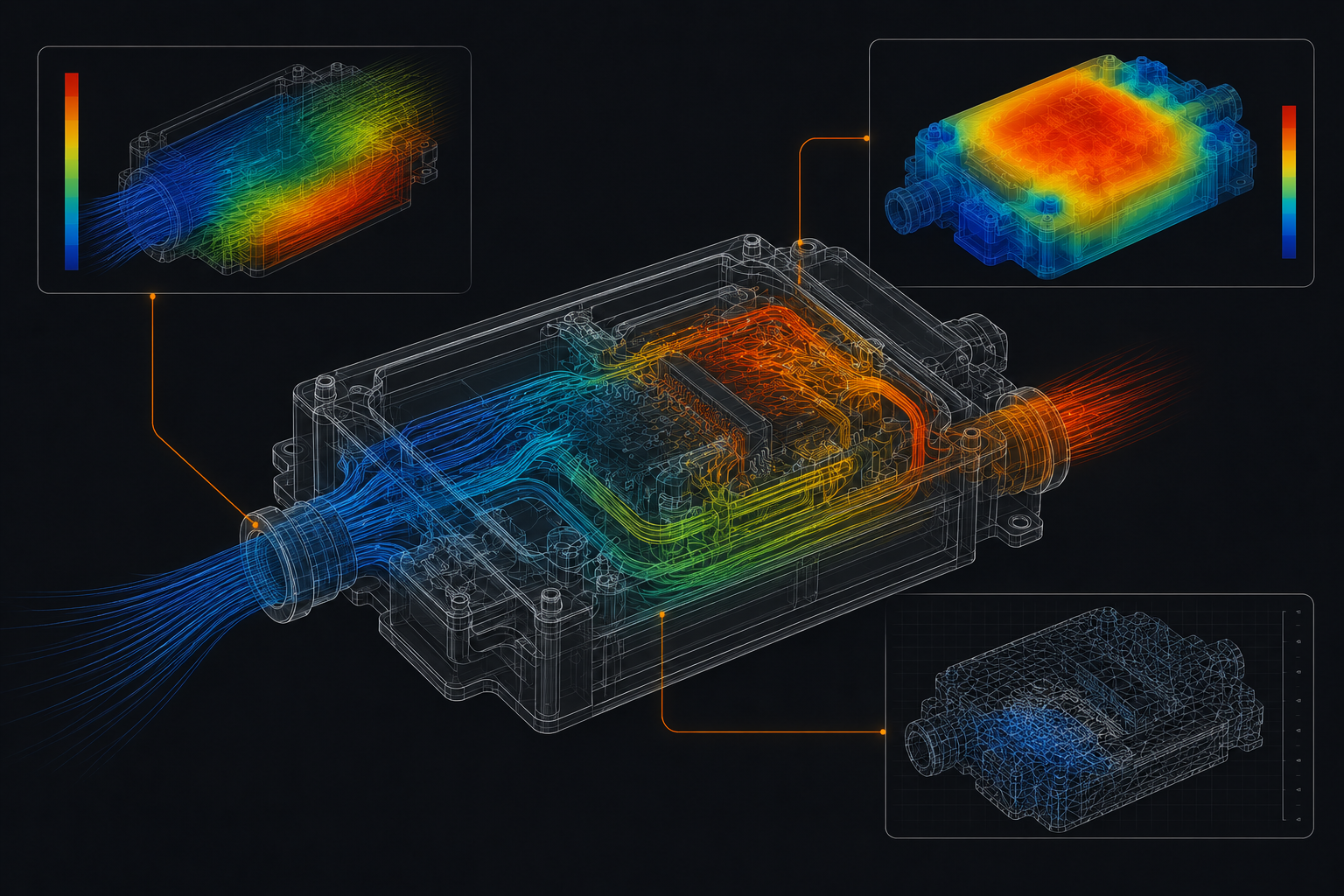
Simulate fluid flow and thermal management early in the design process to optimize component performance and reliability.
Do you have a project in this area?
Our team can support you from design through implementation.
04
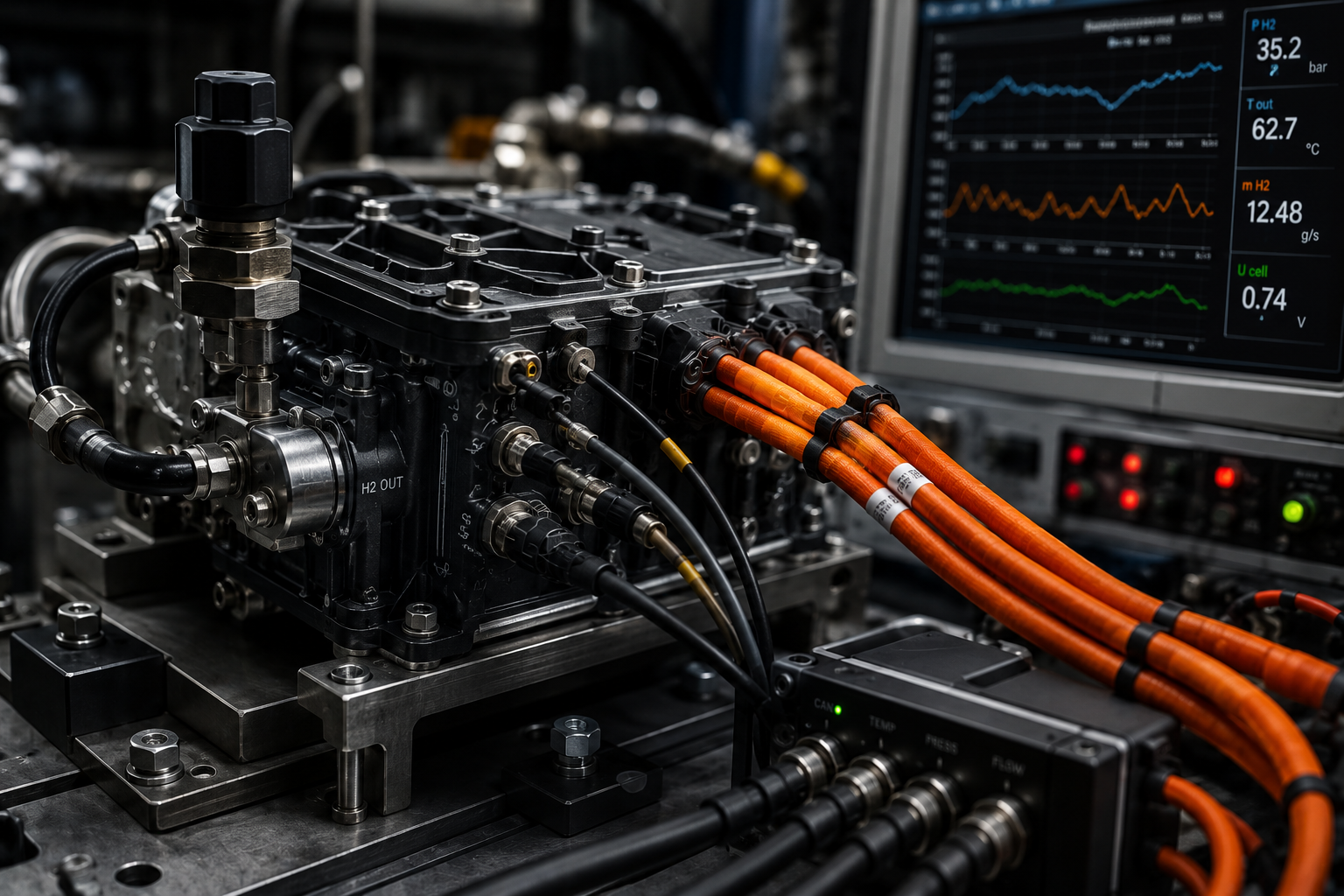
Simulation and bench testing
Walk away with measured performance data and validated behavior, backed by data.
01.
Validation Plan
Objectives, Metrics, Success Criteria
02.
0/1D Modeling
System model, operating points
03.
CFD Simulation
Flow, thermal, critical points
04.
Bench Tests
Instrumented campaign using our test facilities
05.
Validation Report
Model-Test Correlation, Conclusions
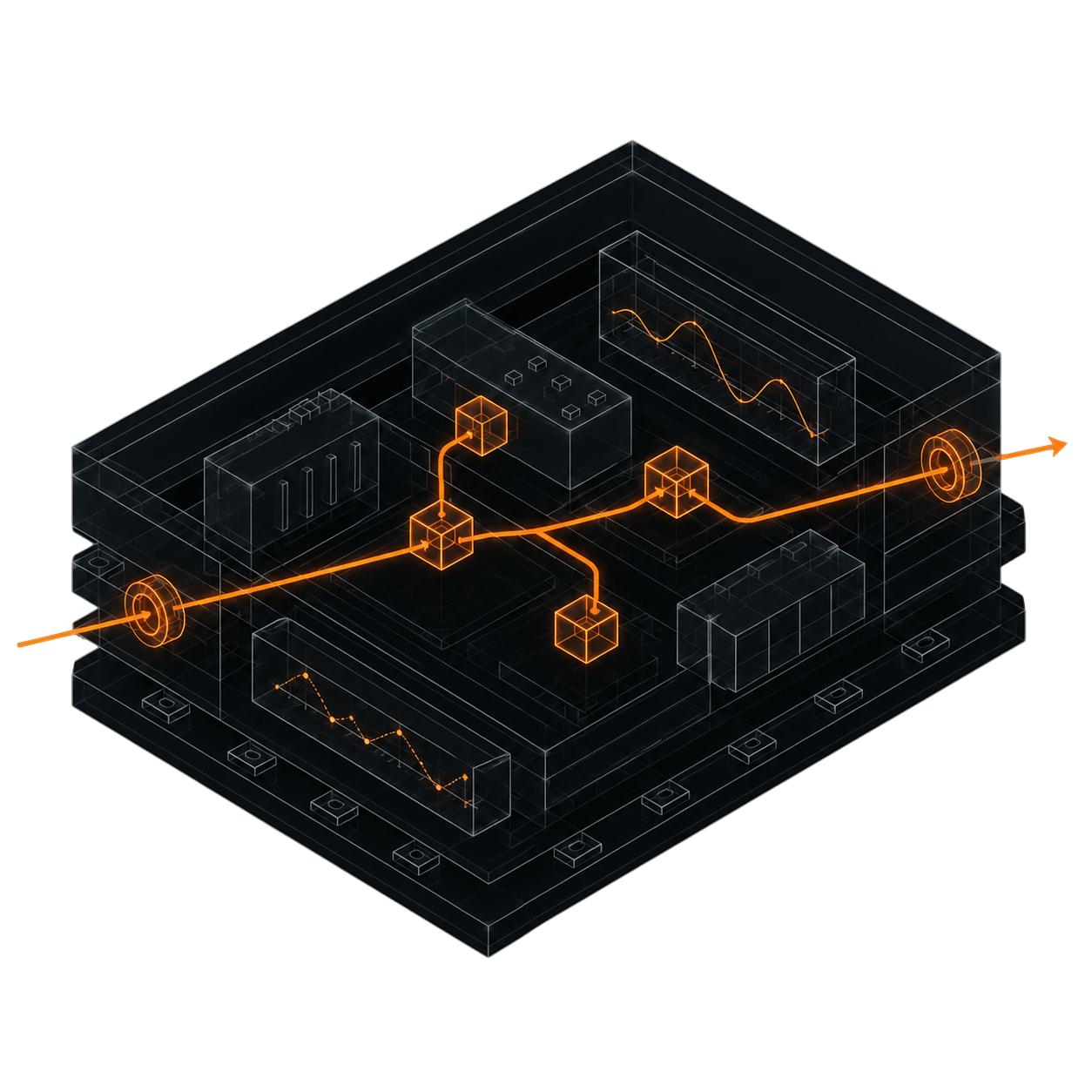
Reduce the number of iterations and quickly identify critical issues through digital architecture validation.
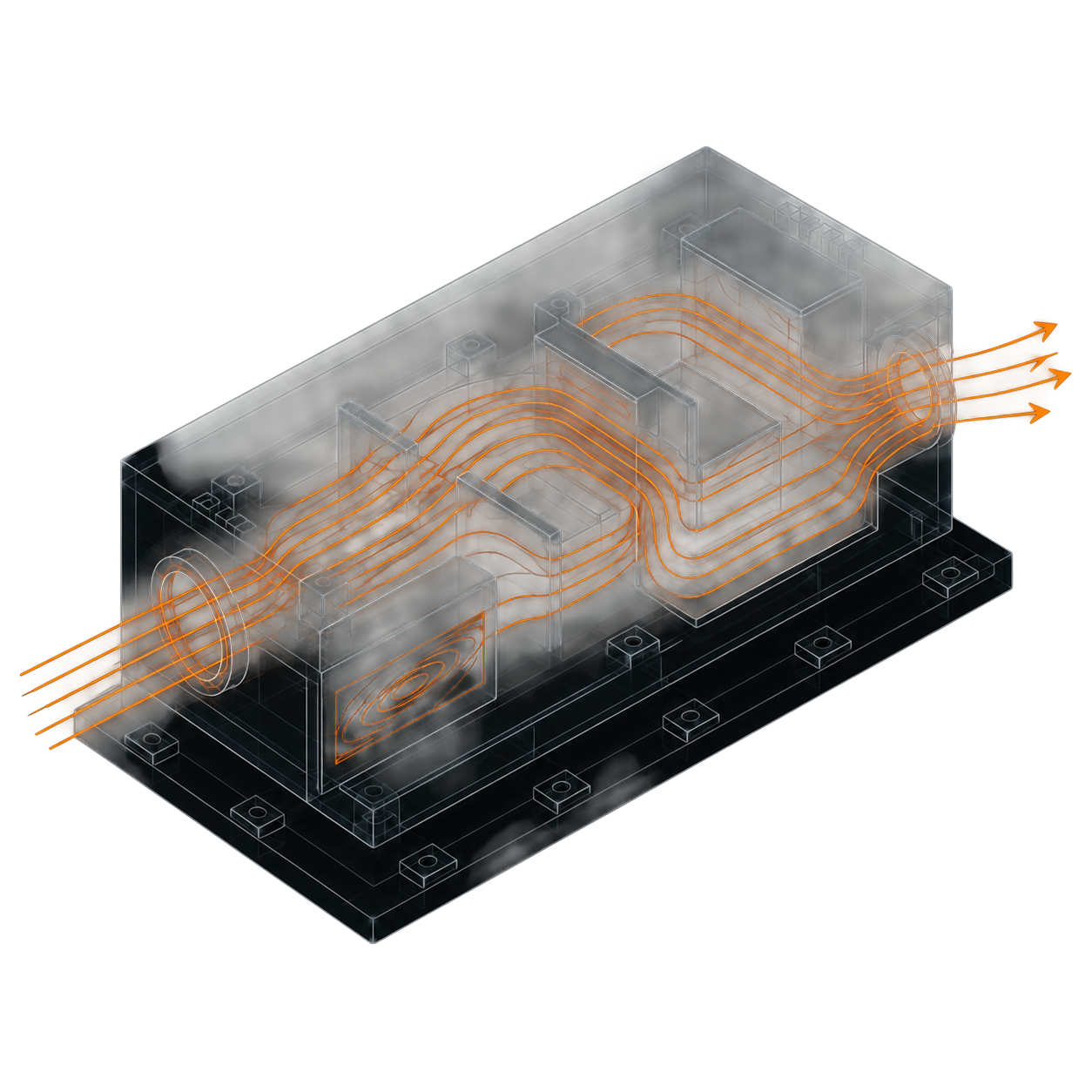
Validate your design choices before physical testing through numerical analysis of flow, thermal behavior, and fluid distribution.
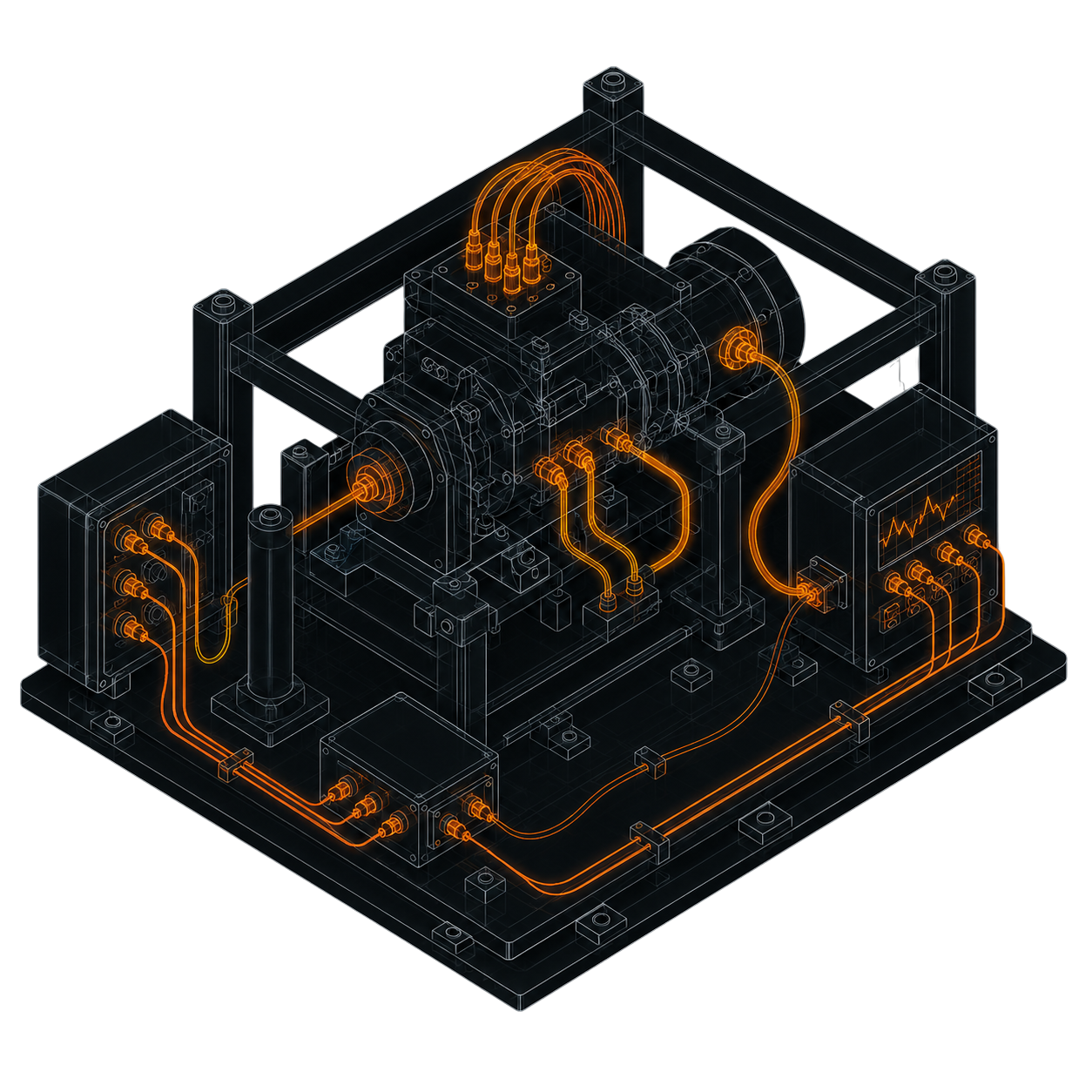
Test the performance and durability of your systems under realistic operating conditions on our hydrogen infrastructure.
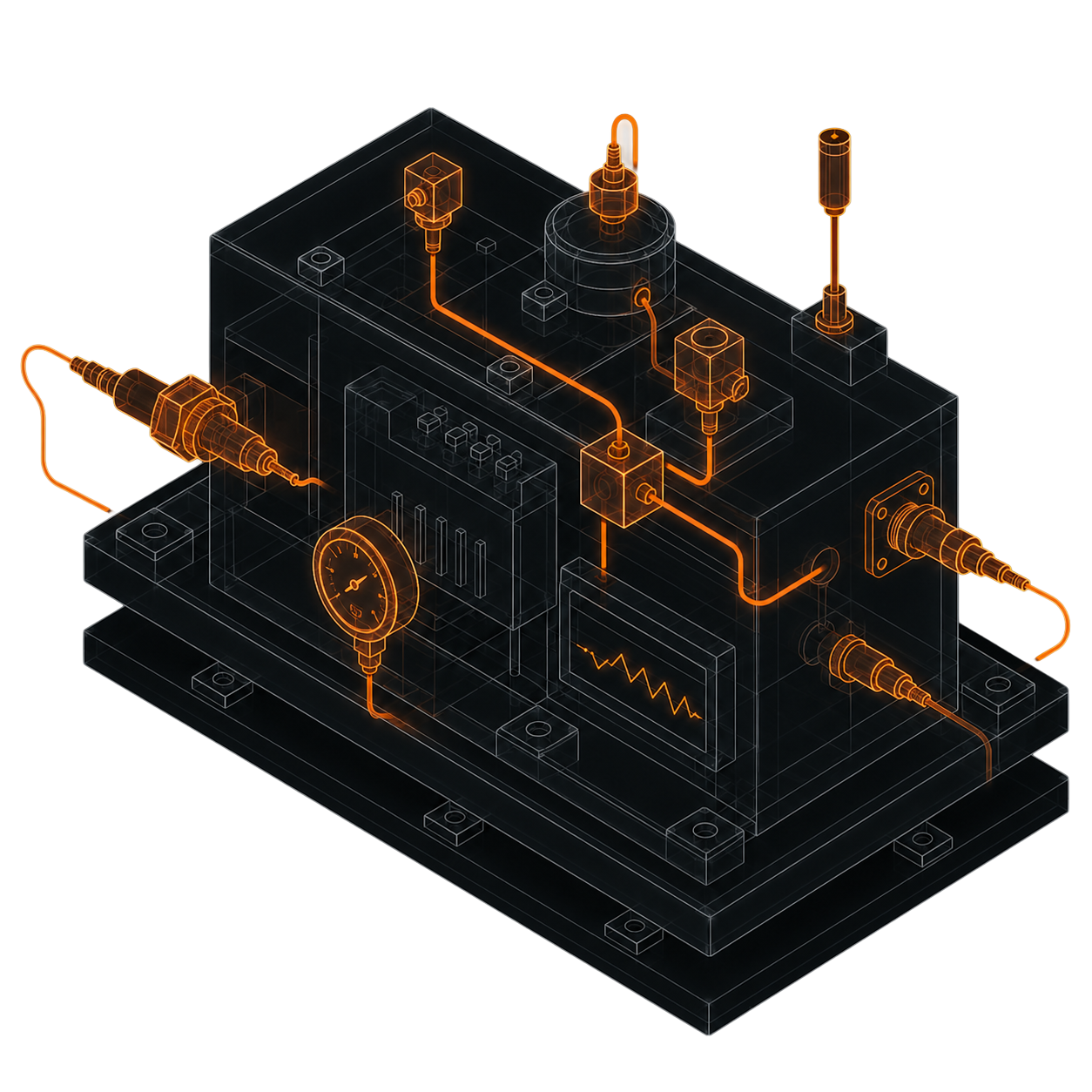
Accurately measure the performance of your components and systems to enable reliable data collection and in-depth analysis of the results.
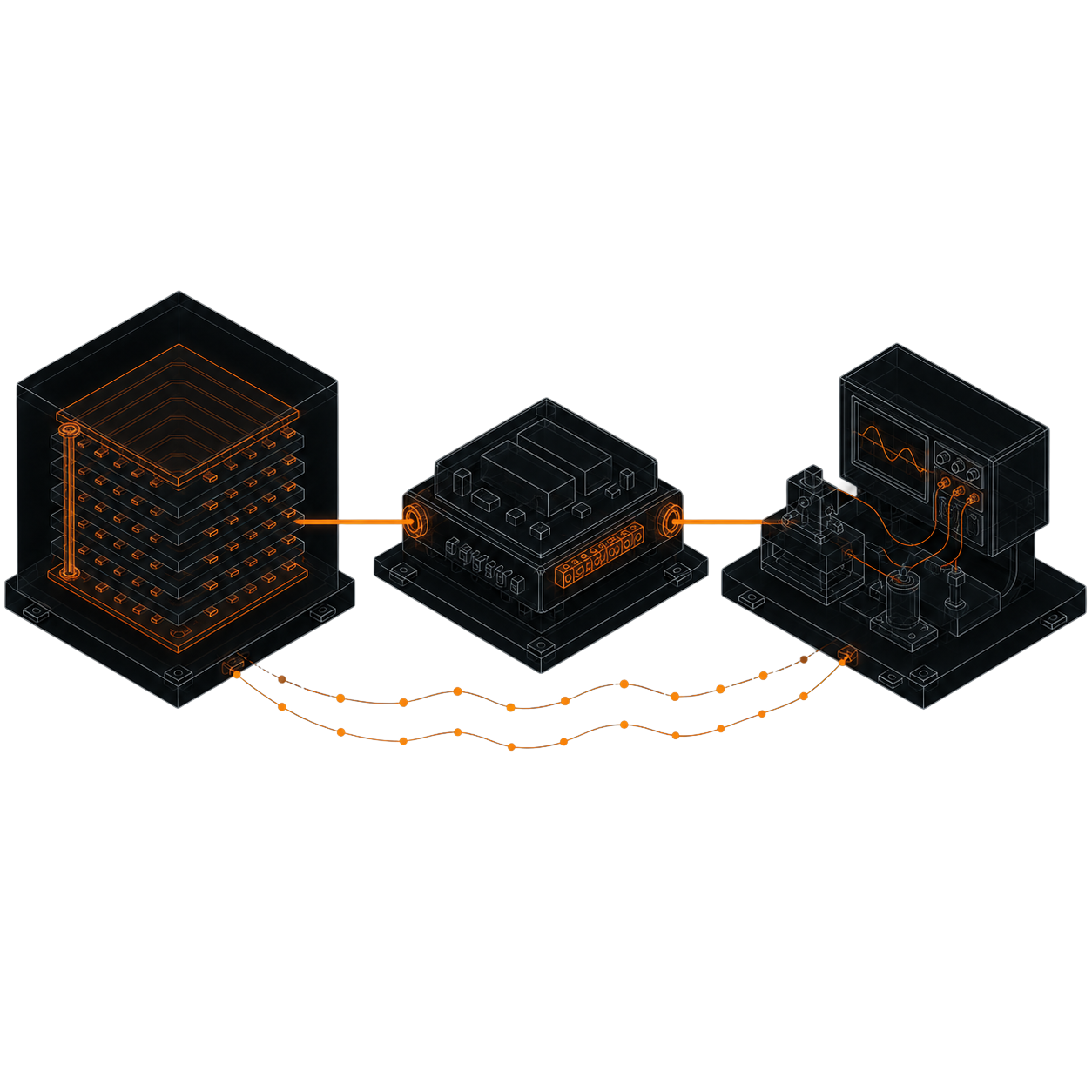
Improve the reliability of your models by comparing simulation results with experimental data to enhance and ensure the safety of your developments.
Do you have a project in this area?
Our team can support you from design through implementation.
05
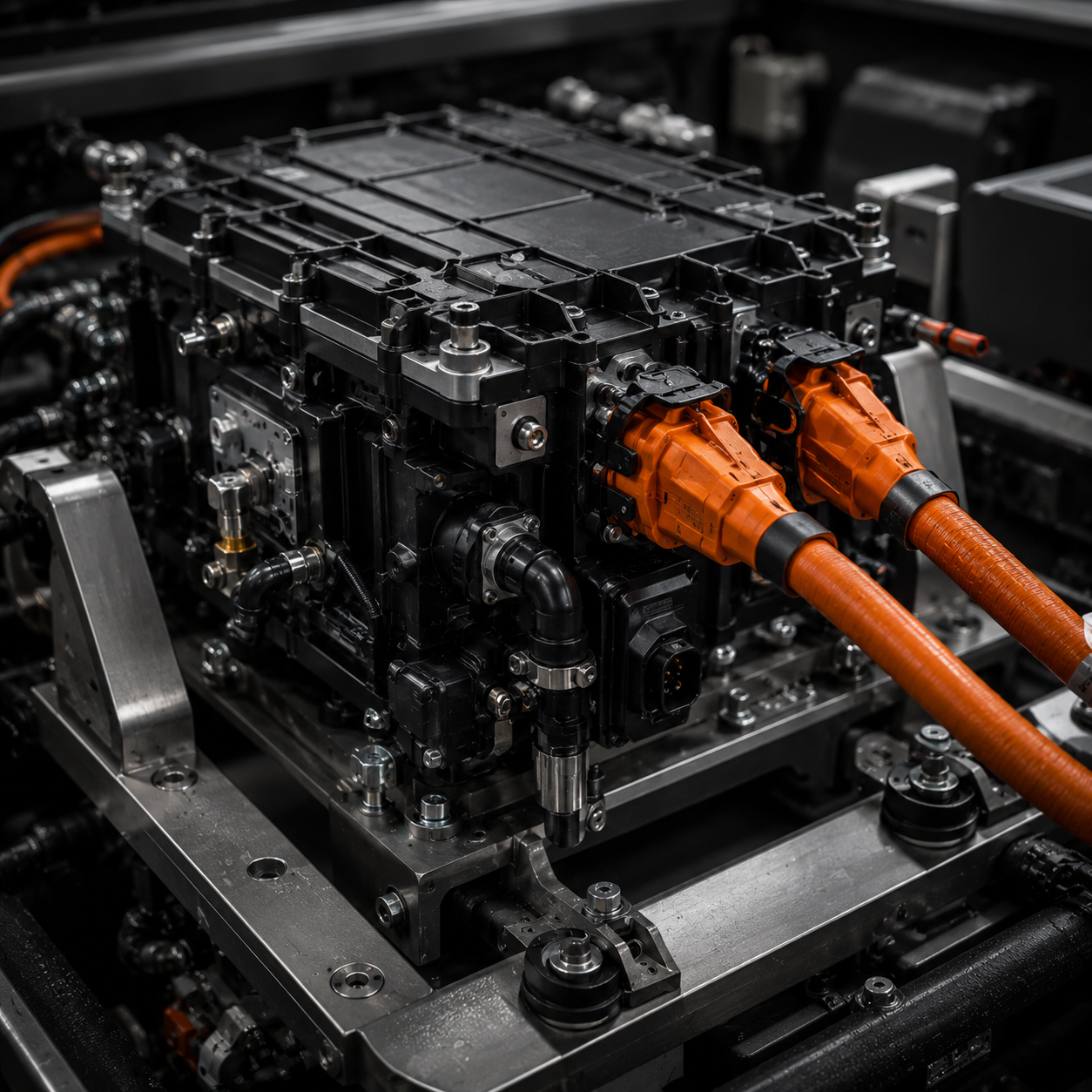
Integration into Your Application
Get a comprehensive, validated stack integration into your platform, ready for deployment.
01.
Integration Analysis
Platform constraints, security, standards
02.
Integration Architecture
Layout, Interfaces, Chassis
03.
Mechanical Design
Frames, mounts, packaging
04.
Interfaces and Security
Fluids, Electrical, Ventilation H2
05.
Commissioning
Installation, integration testing
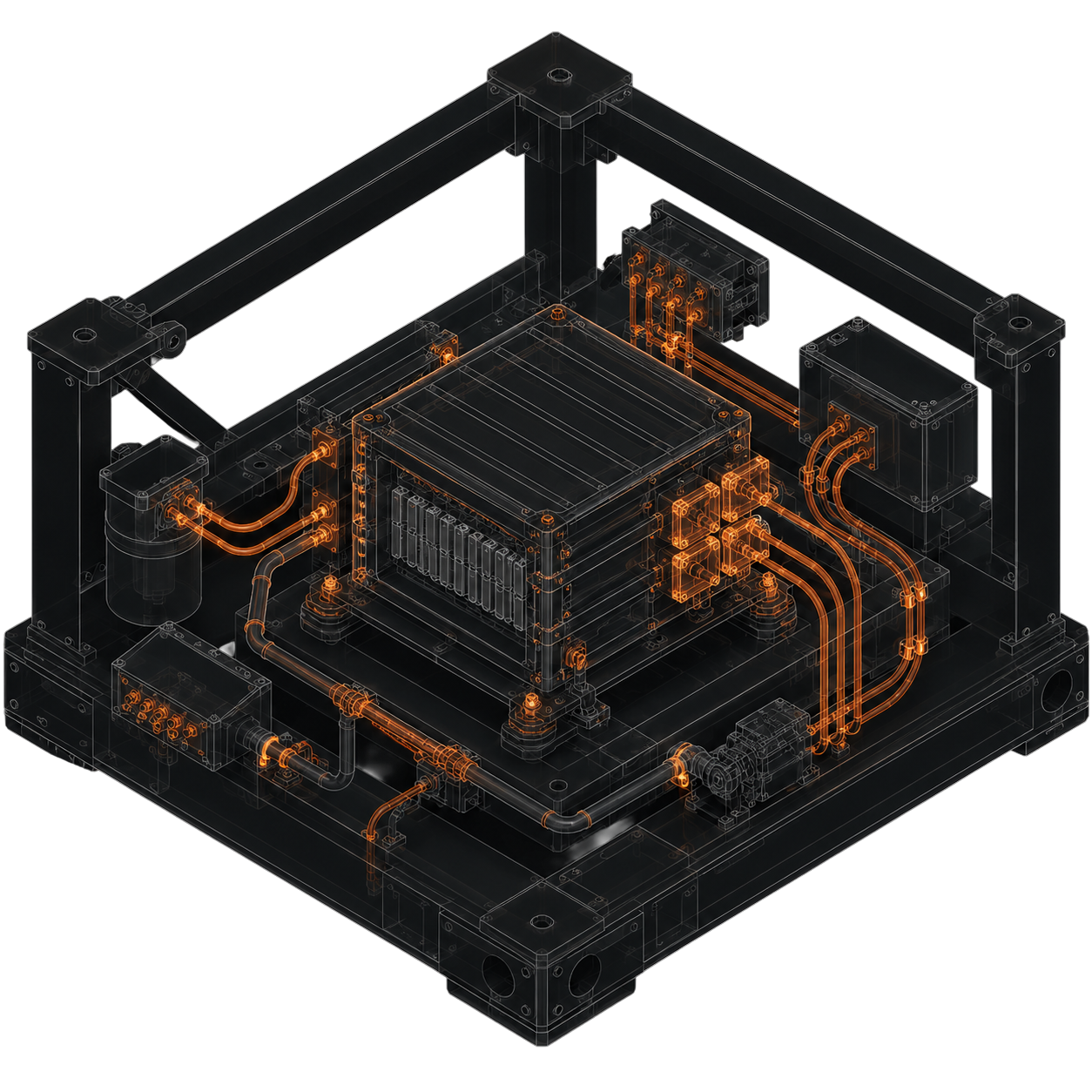
Integrate your fuel cell into your application with confidence, taking operational constraints into account.
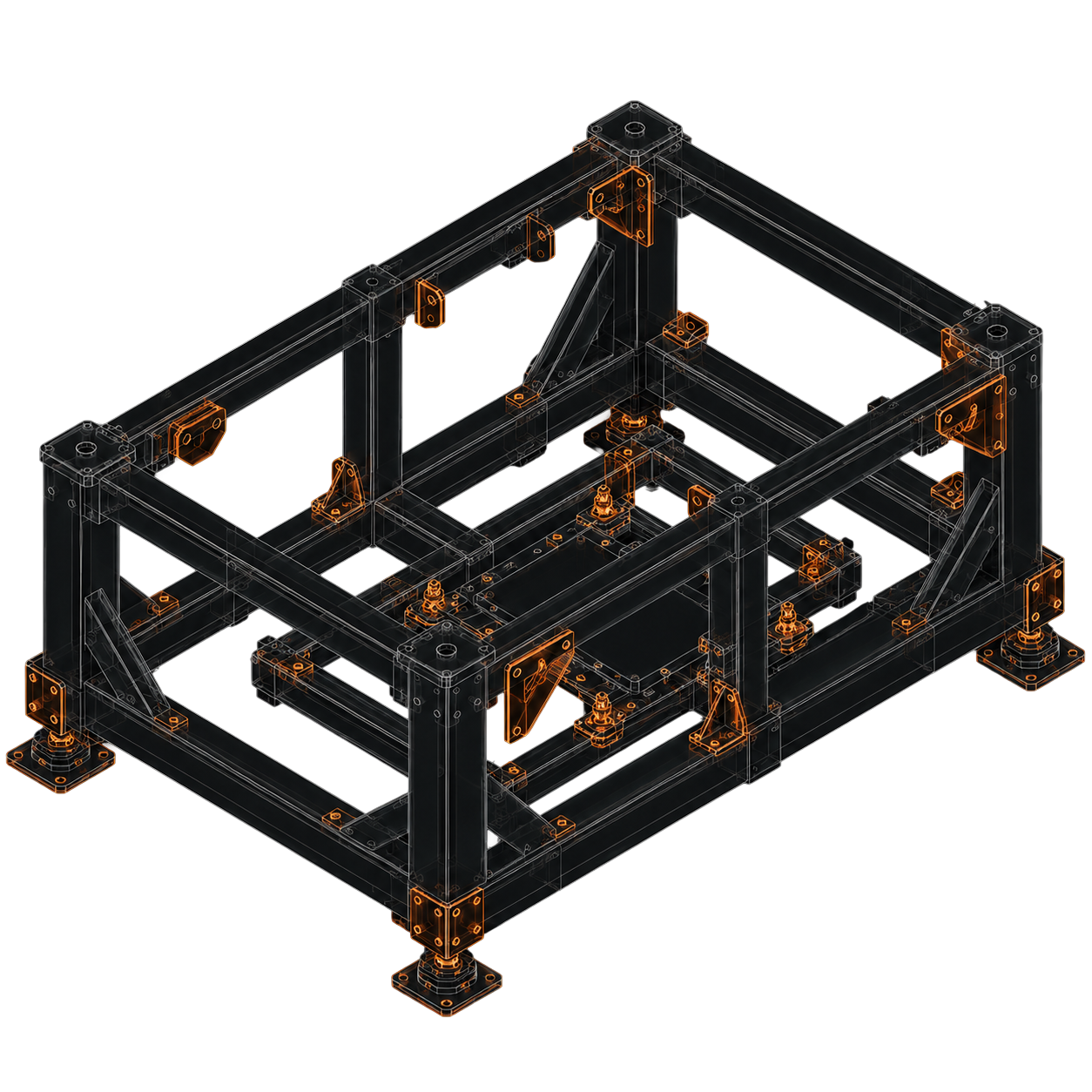
Design mechanical interfaces that ensure robustness, optimal integration, and ease of maintenance.
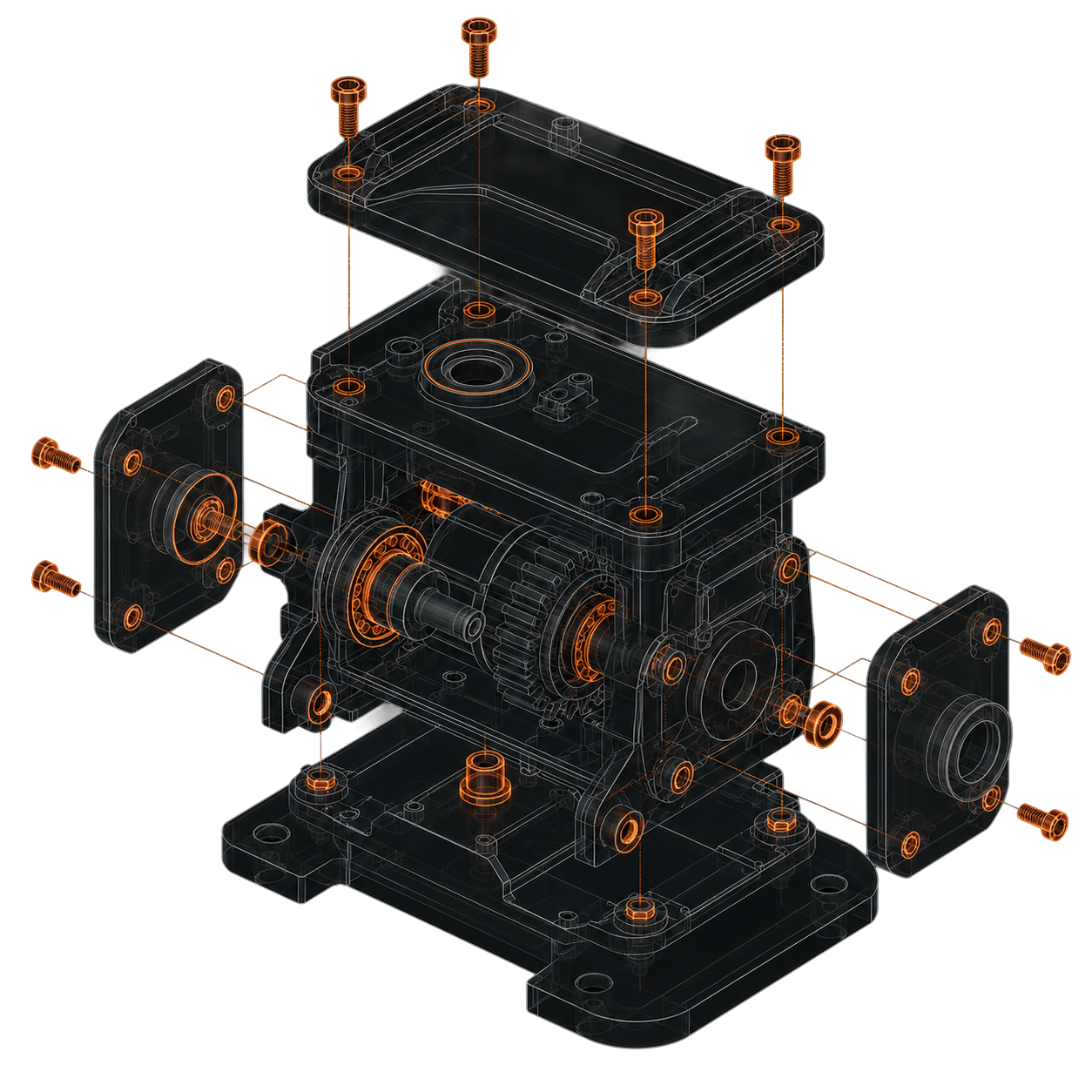
Develop mounting structures that are suited to the vibrational, thermal, and mechanical stresses of your environment.
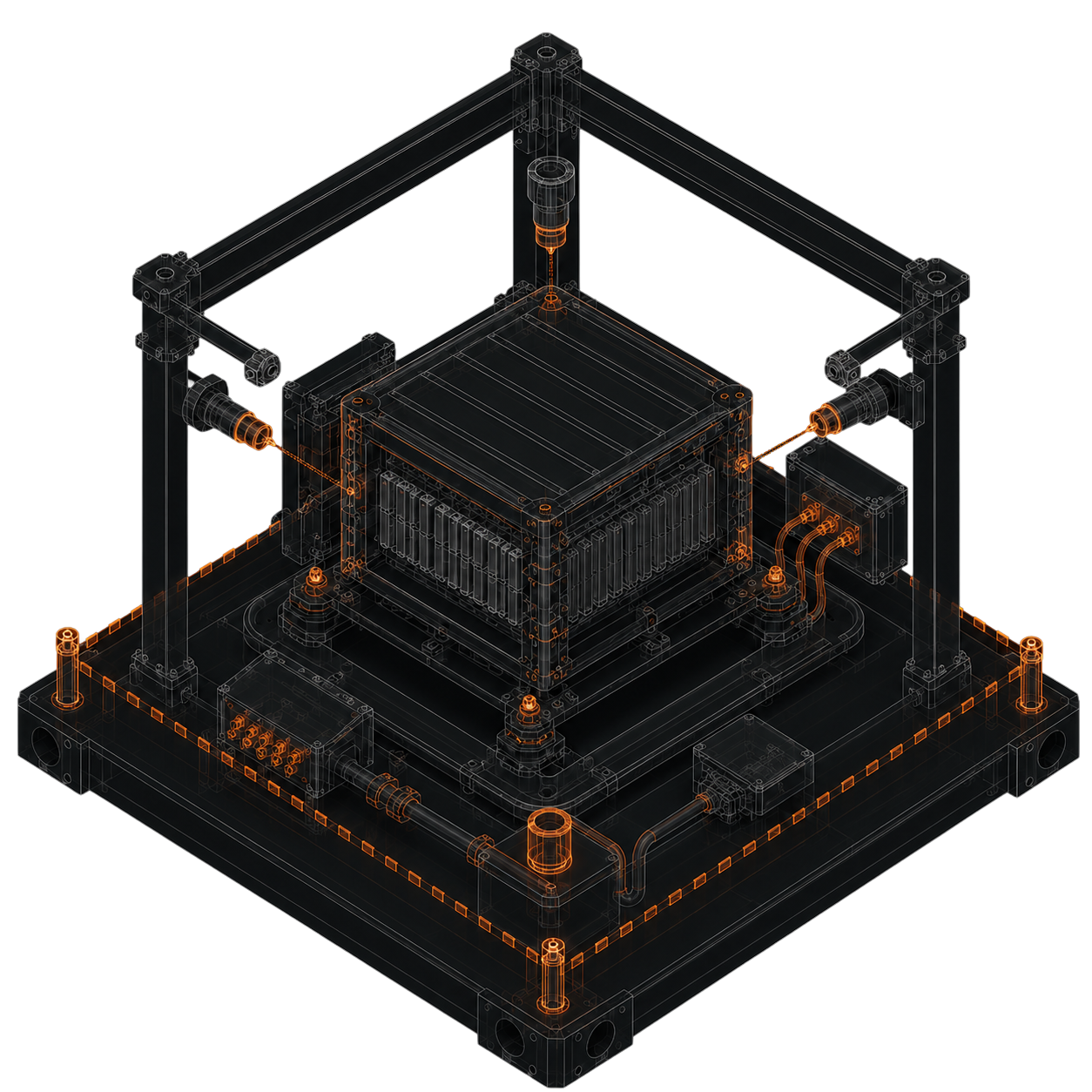
We assist you in achieving regulatory compliance and preparing the technical documentation required for the certification process.
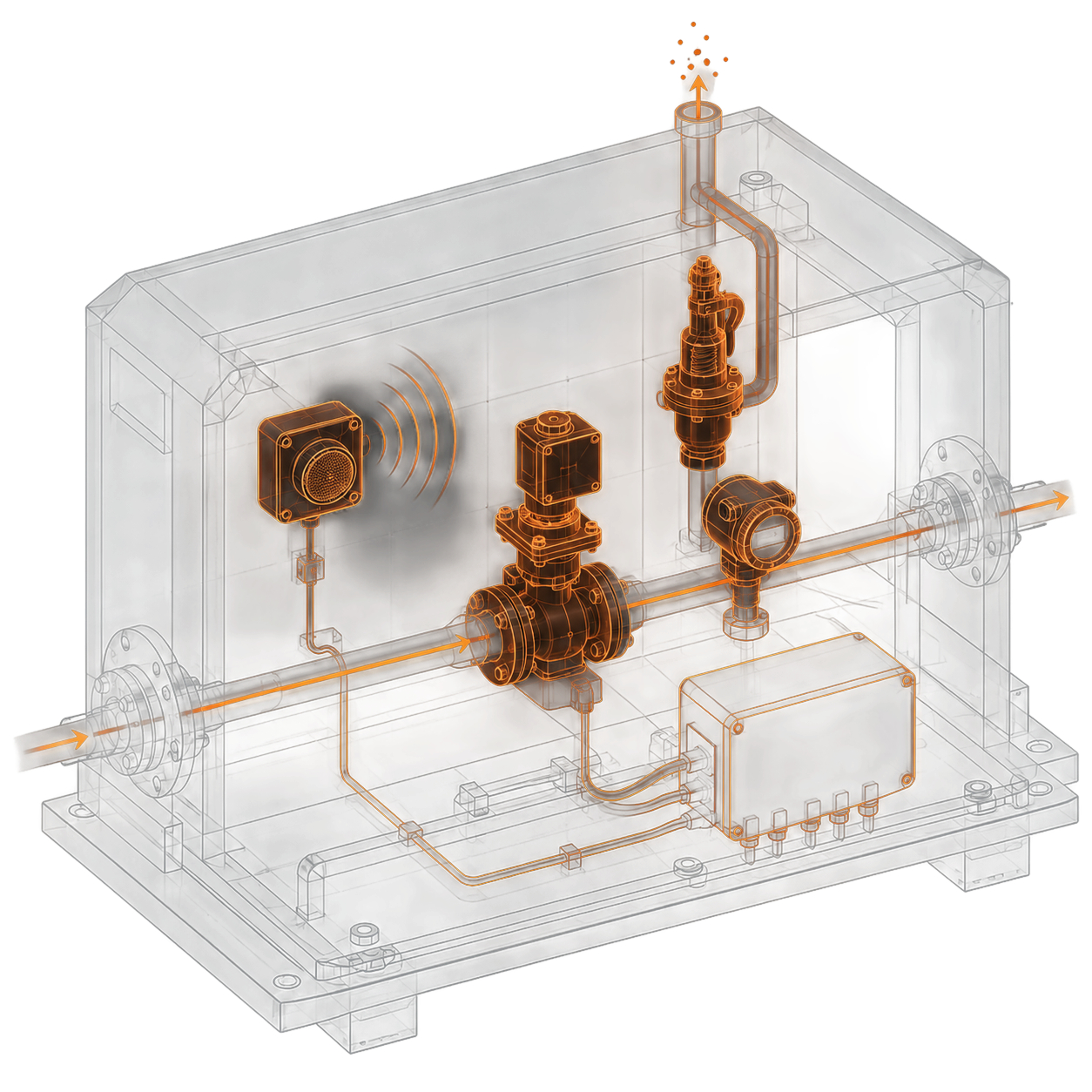
Incorporate hydrogen requirements from the design phase onward: detection, ventilation, containment, and risk analysis.
Do you have a project in this area?
Our team can support you from design through implementation.
Download data sheet